Addressing the needs of outdoor enthusiasts and emergency planners alike, these quiet generators deliver reliable power without loud disruptions. The best models below are suited for camping, RV trips, home backups, and sensitive electronics. This guide highlights top options, explains who they’re best for, and compares key specs to help you choose wisely.
Summary table of selected products:
| Product | Peak Watts | Running Watts | Weight | Noise Level |
|---|---|---|---|---|
| WEN 2350 | 2350 | 1900 | 39 lbs | Ultra-quiet (conversation-level) |
| Oxseryn 2800 | 2800 | 2000 | 39 lbs | Eco mode; quiet operation |
| ERAYAK 2400 | 2400 | 1800 | 42 lbs | Ultra-quiet (low dB) |
| POXURIO 2450 | 2450 | ~2450 (varies per load) | — | Very quiet (59 dB tested) |
| AIVOLT 1600 | 1600 | 1260 | 28 lbs | 57 dBA at 23 ft |
WEN Super Quiet 2350-Watt Portable Inverter Generator
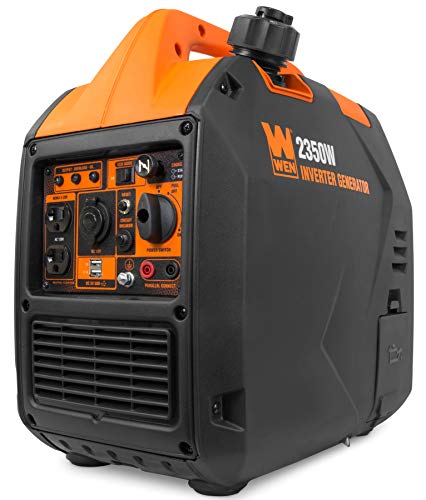
Best for: Weekend campers and hobbyists needing portable power for small electronics. Why selected: It weighs only 39 pounds, making transport easy, and offers 2350 surge watts with 1900 watts of clean power to safely charge phones, tablets, and TVs. The US Department of Health and Human Services notes its quiet operation, which minimizes campsite disruption. Caution: Compact engines can have limited runtime at higher loads; plan recharges as needed.
Oxseryn 2800-Watts Portable Inverter Generator

Best for: Small homes or cabin backup and multi-device use during camping. Why selected: It delivers 2800 peak and 2000 running watts with a 1.1-gallon tank and a 39-pound frame, plus ECO mode and parallel functionality for extended power. Caution: Features require standard fuel availability and may need careful monitoring for long runtimes under heavy loads.
ERAYAK 2400W Portable Inverter Generator

Best for: RVs, camping trips, and home backup requiring clean power for sensitive devices. Why selected: Provides 2400 watts peak and 1800 running watts, with advanced inverter technology for stable electricity and quiet operation with Eco Mode. Caution: Heavier than some ultra-portables, which slightly reduces portability for single-person transport.
POXURIO 2450-Watt Portable Inverter Generator

Best for: Quiet camping setups and portable power for tools and appliances. Why selected: Starts at 2450 watts with clean sine wave output for sensitive electronics and a notably quiet operation (around 59 dB). Caution: Data highlights gas-powered operation; ensure availability of gasoline and proper storage.
AIVOLT 1600W Super Quiet Inverter Generator
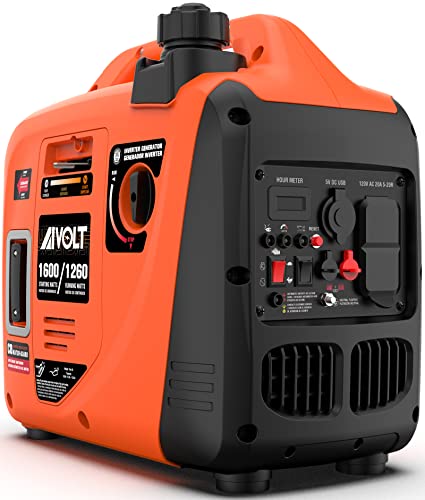
Best for: Light camping, portable web backups, and small devices. Why selected: Weighs just 28 pounds with 1600 starting watts and 1260 running watts; features <3% THD clean power and a quiet 57 dBA operation at 23 feet. Caution: Lower total power means you may need to sequence devices or upgrade wattage for higher appliances.
Buying Guide: Key Considerations For Quiet Camping Generators
- Noise level matters: Look for units rated around 50–60 dBA at a practical distance (typically 7–23 feet). This reduces disturbance at campsites and in neighborhoods.
- Power needs: Match peak and running watts to your essential devices. Include a buffer for surge loads from refrigerators, microwaves, or power tools.
- Fuel type and runtime: Gasoline models offer quick fueling and broad availability. Check tank size and run-time at a given load to estimate daily needs.
- Portability vs. output: Lighter units boost transportability but may compromise total power. Heavier models often offer higher wattage with stable performance.
- Inverter technology: Inverter generators provide clean sine wave power (<3% THD) safe for sensitive electronics like laptops and CPAP machines.
- Eco/idle control: ECO or eco-mode reduces fuel use and noise by adjusting engine speed during light loads.
- Portability enhancements: Look for wheels, handles, and optional wheel kits to improve maneuverability for longer trips or home backup use.
- Safety and maintenance: Verify shut-off features when low on fuel, and ensure proper storage and ventilation for gasoline engines.
Frequently Asked Questions
- What is the quietest generator on the list?
Most units here are designed for low-noise operation, with models like WEN and ERAYAK noted for ultra-quiet performance in their descriptions. - Can these generators power sensitive electronics?
Yes. All listed models use inverter technology delivering clean power typically with less than 3% THD, making them safe for laptops, TVs, and CPAP machines. - How much power do I need for basic camping?
For essentials like lights, phones, and small appliances, 1000–1800 running watts is often enough. Consider a backup option or a model with 2000+ running watts for flexibility. - Is Eco mode worth it?
Yes, Eco mode improves fuel efficiency and reduces noise by adjusting engine speed to match the load. - What should I know about fuel and run time?
Run time depends on load and tank size. Higher watts and heavy loads shorten runtime; lighter usage extends it. Always plan fuel needs for your trip. - Are these good for home backup power?
Several models listed are suitable for emergency backup, especially those offering around 1800–3500 running watts, depending on the connected appliances.