Answering the search for compact, easy-to-carry sleeping bags, this guide spotlights five compact options that balance warmth, weight, and packability. Ideal for backpackers, travelers, and campers who value space-saving gear, these picks emphasize small packed size without sacrificing comfort. Each product is evaluated for who it’s best for, plus practical cautions you should know before buying.
| Product | Best For | Why It Stands Out |
|---|---|---|
| ECOOPRO Portable, Waterproof, Lightweight Sleeping Bag | Backpackers seeking ultracompact gear | Compresses to about 11″ high, ~1.7 lbs; durable waterproof shell |
| ECOOPRO Warm Weather Sleeping Bag | Summer camping and travel | Similar compact design; keeps warmth to 55–60℉ range; very lightweight |
| Naturehike Lightweight Compact Sleeping Bag | Ultra-light backpacking | Extremely light and compact; roomy enough for most adults |
| JEAOUIA Sleeping Bags For Adults | Budget-conscious campers | Good capacity and 3-season use; affordable option |
| TETON Trailhead 20 Degree Sleeping Bag | Cold-season hiking with light pack | Lightweight and lofted for 20°F equiv.; compact for a mummy bag |
ECOOPRO Portable: Ultra-Compact, Waterproof Sleeping Bag
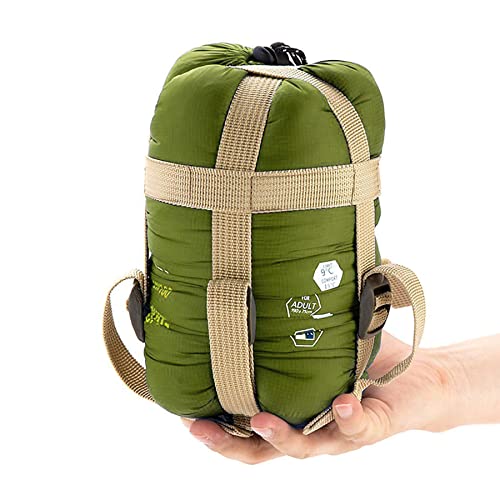
The ECOOPRO Portable sleeping bag is designed for backpackers who prioritize minimal pack size and weather resistance. It uses a nylon outer shell to repel moisture and a breathable polyester lining for skin comfort. The bag’s temperature range is described as 55 to 60℉, suitable for mild nights in spring or fall, or layered use in cooler evenings. The envelope-style construction is easy to roll and compress, with a claimed compression height of about 11″ and a weight around 1.7 lbs. This bag is best for solo travelers who value a compact footprint and straightforward, durable construction.
Who it’s best for: solo hikers and travelers who need a compact, weather-resistant bag that still offers enough warmth for temperate nights.
Why chosen: It balances ultralight weight with a small packed size, making it a strong option when space is at a premium. The waterproof outer and easy zip are practical for outdoor use.
Caution: The 55–60℉ comfort range may be insufficient for significantly cooler nights; consider layering or a liner in cold campsites.
ECOOPRO Warm Weather Sleeping Bag
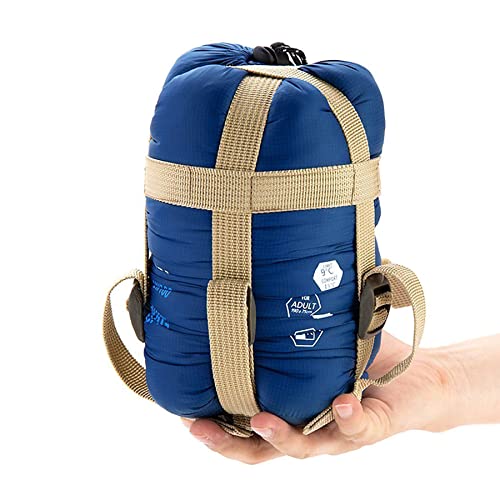
This ECOOPRO model emphasizes portable warmth in warm-weather scenarios. Its nylon outer is waterproof and weatherproof, with a 100% polyester lining for breathability and skin-friendliness. The listed size is 83″ by 30″, which suits most adults, and it mirrors the compact, roll-and-sack design of the other ECOOPRO bag. It suits casual campers and light backpackers who want a bag that’s easy to carry and quick to deploy.
Who it’s best for: travelers and campers on warm to mild nights who still want a weatherproof bag that’s straightforward to pack.
Why chosen: Similar compact footprint to the first ECOOPRO option with a focus on warm-weather use and quick setup.
Caution: It shares a narrow temperature use band; it’s not intended for cold nights unless layered with other gear.
Naturehike Lightweight Compact Sleeping Bag

The Naturehike bag is designed for ultralight backpacking with a focus on compact storage and low weight. It weighs roughly 1.68 lbs and packs down to a small footprint, aided by a dedicated carrying bag and compression straps. The dimensions at 80.7″ x 33.5″ offer generous space for many adults, while the 80 g/m² textured filling helps with a balanced warmth-to-weight ratio. It’s well-suited for travelers who want ease of transport without sacrificing a comfortable sleeping area.
Who it’s best for: backpackers who need a roomy but exceptionally light sleeping bag for long treks or travel days with limited space.
Why chosen: Combines notable weight savings with a practical cabin-like interior feel, making it easy to move and position inside a tent.
Caution: The warmth rating is not specified in exact degrees, so use in conjunction with a liner or warmer nights only as a precaution in shoulder seasons.
JEAOUIA Sleeping Bags For Adults

The JEAOUIA adult sleeping bag is presented as a multi-season option with a practical 3-season design. It provides room for most campers up to about 5’11” tall, with dimensions of around 31.5″ by 86.6″ and a design temperature range of 50℉ to 68℉ (10℃ to 20℃). The bag uses polyester outer fabric and a hollow cotton fill, which can offer a soft feel and reasonable warmth for mild conditions. A hood with drawstring and a foot-zip feature add versatility for temperature control.
Who it’s best for: budget-conscious campers who want a versatile, three-season option without heavy price tags.
Why chosen: Good balance of size, warmth range, and price; a practical option for casual camping and youth-oriented trips.
Caution: The stated warmth range may require layering in cooler nights or in high-elevation campsites.
TETON Trailhead 20 Degree Sleeping Bag

The TETON Trailhead 20 Degree Sleeping Bag targets hikers who want warmth without a heavy pack. Its design emphasizes loft and compressibility, delivering a lighter load for backpacking and camping. Features like a draft tube along the zipper and a soft inner liner contribute to comfort in cooler conditions. The bag is compact for a mummy-style bag, making it a strong choice for late-season trips or cooler summer nights in higher elevations.
Who it’s best for: hikers and campers who face cooler nights and need a lightweight option that still packs down small.
Why chosen: The 20-degree target (implied warmth) with good loft and compressibility makes it a solid cold-weather capable selection among compact sleeping bags.
Caution: It may be warmer than expected in mild conditions; consider using a lighter top layer on warmer nights.
Buying Guide: Compact Sleeping Bag Considerations
- Packable size and weight: Prioritize models that compress to a small height and light weight if space is critical for your trips.
- Temperature range and layering: Look for a bag that matches your typical camping season and be prepared to layer with liners or a blanket for shoulder seasons.
- Outer shell and lining materials: Waterproof or weather-resistant shells plus breathable linings improve comfort and durability; avoid bags with fragile shells if you’ll be exposed to rain.
- Fit and roominess: Ensure there’s enough shoulder, hip, and foot space for comfortable sleeping, especially for taller users.
- Storage and care: Easy-to-clean materials and simple packing are beneficial for frequent travelers; consider bags with included compression sacks.
- Intended use: Distinguish between true sleeping bags and liners or travel sheets; liners are lighter and add hygiene benefits but don’t replace a bag in cold nights.
Frequently Asked Questions
- What makes a sleeping bag “super small”?
- Are compact bags suitable for cold weather?
- Should I choose a mummy bag or rectangular bag for small packability?
- What is the purpose of a sleeping bag liner?
- Is a waterproof shell necessary for a small bag?
- How do I choose the right size?
Typically a bag that packs down to a compact height (around 11 inches or less) and weighs under 2 pounds, while still offering usable warmth for its target season.
Compact bags can be suitable with the right temperature rating and layering. Look for bags designed for shoulder seasons or add a liner or insulating layer for extra warmth.
Mummy bags often pack smaller and provide better warmth-to-weight ratios, but rectangular bags can be more spacious and comfortable for some users.
A liner adds hygiene, comfort, and sometimes warmth, and it can be a lighter alternative to upgrading to a higher-will-rated bag.
It’s beneficial in wet conditions to protect insulation and maintain dryness, but not strictly necessary in dry environments; weigh climate and travel plans.
Always check the length and width; taller users should pick bags with extended lengths and wider shoulders for full range of movement.