When safety depends on clean water, choose a reliable survival water filtration system. This guide highlights five practical options ideal for hikers, campers, backcountry explorers, and emergency planners. Each product is evaluated for portability, filtration effectiveness, and ease of use, so you can decide which system fits your scenario—whether you need lightweight backpacking bags, a straw-style purifier, or a versatile multi-mode purifier. The included summary table helps you compare at a glance and decide quickly.
| Product | Type | Best For | Key Benefit |
|---|---|---|---|
| Gravity Water Filtration System — 2 Bags | Gravity filtration kit | Backcountry hikers and survivalists | High capacity with robust filtration and multiple bags |
| LifeStraw Personal | Filter straw | Fast, on-the-go filtering | Ultra-portable and quick access to safe water |
| Waterdrop Gravity Filter Straw (Pack of 2) | Gravity straw combo | Group outings or backup system | High flow, large bag, multi-use setup |
| Waterdrop Gravity Filter Straw (Pack of 1) | Gravity straw | Light solo expeditions | Compact with strong filtration and long bag capacity |
| 5 High-Capacity Emergency Water Straws | Multi-filter straw pack | Bug-out kits and quick access | Multiple filters in one compact kit |
Gravity Water Filtration System — 2 High Capacity Bags

Best for: Adverse-weather trips and long-duration outings where carrying capacity matters. This gravity-based kit includes dirty and clean water bags (6 liters each), a high-capacity filter capable of up to 1800 gallons, and a cleaning plunger. It’s a solid choice for backpackers who want a reliable, low-effort filtration method at camp.
Why chosen: The dual-bag design allows a simple gravity feed, reducing pumping or squeezing effort. The filter’s performance against bacteria, parasites, and microplastics adds a strong safety layer for remote water sources.
Caution: Setup complexity can be higher than a straw purifier; ensure proper bag connections to avoid leaks in mobile campsites.
LifeStraw Personal — Water Filter
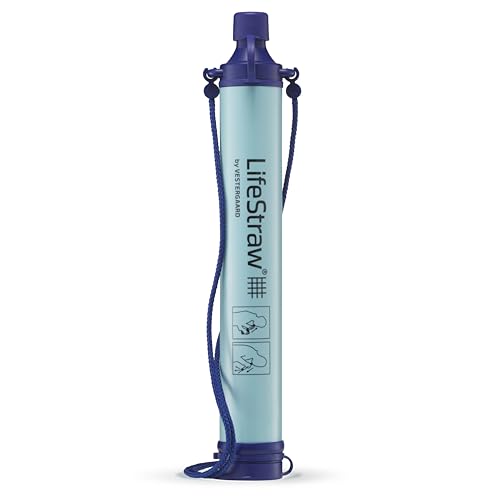
Best for: Solo hikers and travelers needing instant, portable filtration. The LifeStraw Personal removes bacteria and parasites with a microfiltration membrane and also reduces turbidity and microplastics, making it ideal for quick hydration on the trail.
Why chosen: Tested claims align with EPA/NSF-style standards, offering a credible balance of portability and safety for single-person use in varied outdoor settings.
Caution: It is a passive filtration device; if you need water from heavily turbid sources, pre-filtering may help extend cartridge life.
Waterdrop Gravity Water Filter Straw (Pack of 2)

Best for: Group outings or as a backup system to a primary purifier. This 2-pack setup includes a 1.5-gallon gravity bag and a 5-stage filtration straw, delivering a higher daily volume with straightforward gravity flow.
Why chosen: The 0.1-micron filtration and extended lifespan per straw (thousands of gallons) support longer trips without frequent replacements.
Caution: The larger bag increases bulk; best used at base camp or vehicle-accessible locations rather than tight, remote headwaters.
Waterdrop Gravity Water Filter Straw (Pack of 1)
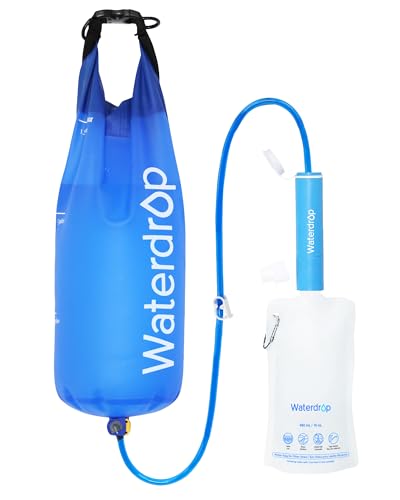
Best for: Lightweight backpacking or emergency kits where every ounce counts. The single pack is compact, with a long-lasting 1.5-gallon bag and a 5-stage filtration line.
Why chosen: Its compact footprint and long-flow rate offer a reliable, day-long water supply for individuals while keeping pack weight minimal.
Caution: Similar to the 2-pack option, it’s still gravity-dependent; ensure you have a stable setup to avoid spills on the move.
5 High-Capacity Emergency Water Straws

Best for: Bug-out bags, survival kits, and situations requiring rapid access to multiple filtration points. This pack includes five filters that can remove bacteria, parasites, and microplastics, with compact dimensions and lightweight design.
Why chosen: The multiple filters provide redundancy and quicker deployment in emergency scenarios where water sources vary in safety.
Caution: The weight and management of several filters may require careful organization in a compact pack; store them in protective cases to avoid contamination.
Aquatabs Water Purification Tablets

Best for: Quick, chemical-based disinfection when filtration is not immediately available or in colder environments where pumps aren’t practical. Aquatabs are portable and reliable for treating drinking water in a pinch.
Why chosen: They provide a fast alternative method to ensure potable water when filters are unavailable or when sources are uncertain.
Caution: Tablets require precise timing and dosage; always follow instructions to ensure safety and avoid taste issues in the treated water.
BKLES 3-in-1 Solar Electric Water Filter

Best for: Off-grid filtration with multiple power options. The BKLES unit supports electric, hand pump, and solar charging modes, and uses a 6-stage filtration system with dual 0.01-micron ultrafiltration membranes.
Why chosen: The multi-mode operation makes it versatile for longer expeditions or emergency prep with variable power availability.
Caution: Higher complexity and weight than basic straw purifiers; ensure you’re comfortable with setup and maintenance in field conditions.
Potable Aqua Water Purification Tablets

Best for: Travel, emergencies, and places where quick water treatment is essential without carrying heavy filters. Includes two 50-count bottles for extended use.
Why chosen: Potable Aqua tablets are a long-standing option for safe drinking water when filtration isn’t feasible or when you need a compact standby solution.
Caution: Chemical treatment may alter taste; some users prefer pre-filtering to reduce turbidity and improve palatability.
Buying Guide: Key Considerations for Survival Water Filtration
- Filtration vs. disinfection: Decide whether you need physical filtration (removing particulates and microbes) or chemical disinfection (tablets). For high-turbidity sources, combine filtering with disinfection for best safety.
- Portability vs. capacity: Weigh weight and size against daily water needs. Solo trips favor compact purifiers; group outings benefit gravity kits with larger bags.
- Source versatility: Look for systems compatible with varied water sources (rivers, lakes, streams). Gravity and pump-style units generally handle a wider range of sources than chemical tablets alone.
- Ease of use: Consider setup time, maintenance, and field repairs. Purifiers with simple bag connections and easy-clean components reduce hassle in remote areas.
- Longevity and cost-per-use: Assess filter life (gallons or liters) and replacement costs. Longer-lasting options reduce long-term expenses in extensive trips.
- Reliability in emergencies: For bug-out kits, prioritize redundancy (multi-filter packs) and multi-mode devices (electric/hand/solar) to adapt to power shortages.
FAQ
- What is the best option for solo adventures? A compact purifier like LifeStraw Personal or a single Waterdrop gravity straw offers portability and reliable filtration for one person.
- Do gravity filtration systems work in moving water? Gravity systems require a stable setup and can be used with clean-area sources at base camps; exercise caution near fast-moving water.
- Are chemical tablets sufficient alone? Tablets are great for emergencies or situations without filters, but pairing them with a pre-filter improves taste and effectiveness in turbid water.
- How long do filters last? Lifespan varies by model and usage; some purifiers handle thousands of gallons, while tablets provide discrete servings per bottle.
- Can these systems remove microplastics? Several options claim microplastic reduction; verify the membrane pore sizes (e.g., 0.1 microns) and product specifications for your use case.
- Is a kit better than a single device? Kits with multiple bags or multiple filtration stages offer redundancy and higher daily capacity for group use or extended trips.