Searching for a tent that stands up to frigid nights and heavy moisture? This guide highlights five reliable, cold-weather tents suited for winter camping, snow, and high-wind conditions. Whether you need a two-person setup for a winter excursion or a family-sized shelter for snowy camps, these options balance durability, weather protection, and portability. Best for snow-prone trips: two-person and single-person four-season tents. Best for family winter camping: a larger bell tent with stove jack. Best for backpacking comfort in cold weather: lightweight, easy-to-pitch designs. Use the quick comparison table below to narrow your choice, then explore each product section for why it fits specific needs.
| Product | Best For | Weight | Season Capability |
|---|---|---|---|
| Underwood Aggregator 2-Person Winter Tent | Couples or partners in cold-weather trips | About 5.73 lb | 4-Season |
| BISINNA 4 Season 2 Person Tent | Backpacking couples in cold weather | About 6.4 lb | 4-Season |
| Underwood Aggregator 1-Person Winter Tent | Solo winter campers | About 4.4 lb | 4-Season |
| Forceatt 2-Person/3-4 Season Tent | Two-person winter trips or shoulder seasons | About 5.5 lb | 4-Season |
| WaldWander Bell Tent With Stove Jack | Family winter camping or glamping | Large | 4-Season |
Underwood Aggregator 2-Person Winter Tent

This four-season tent is designed for cold-weather use with a snow skirt to keep snow out in winter and a rollable design for snow-free conditions. It features a two-way zipper, a camping light hook, and a mesh pocket for small items. The double-layer door adds airflow control, and the structure is built to withstand strong winds and storms. Best for couples or friends who prioritize wind resistance and reliable winter protection. Caution: heavier weight compared to lightweight three-season tents, which may affect packability on long treks.
BISINNA 4 Season Tent 2 Person (Brown)

This all-season tent uses a snow skirt and rollable design to stay functional across winter and other seasons. Constructed with tear-resistant 210T polyester and a PU 3000mm waterproof coating, it provides reliable weather protection and UV resistance. The 82.6 x 59 x 43.3 inches interior offers comfortable space for two, plus a waterproof foyer for gear. Best for couples who want a durable but portable winter shelter. Limitation: heavier than ultralight options, which can impact backpacking practicality for longer trips.
Underwood Aggregator 1-Person Winter Tent
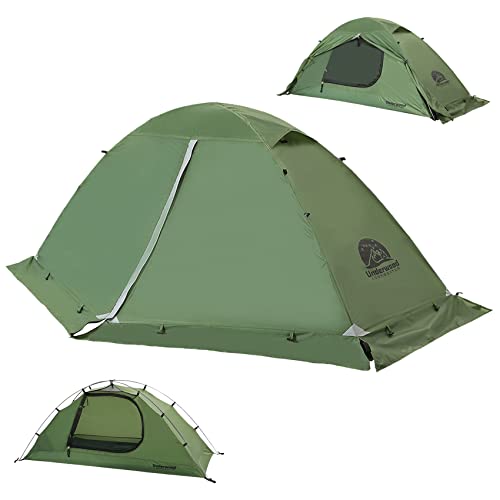
This single-person winter tent shares the four-season design and wind-ready corners, with a lighter footprint ideal for solo travelers. Features include a camping light hook, mesh pockets, and a double-layer door for ventilation. Best for solo winter campers who value compact storage and self-reliant setup. Caution: reduced interior space means limited gear storage inside the tent itself.
Forceatt 2-Person/3-4 Season Tent

Forceatt offers a versatile tent suitable for two people across 3 to 4 seasons, combining a welded floor for moisture protection and a full-coverage rainfly. It features two doors and two vestibules for easy access and gear storage, with large mesh panels and ceiling vents for airflow. Best for hikers who need windproof, weather-resistant performance and straightforward setup. Limitation: may require time to correctly tension all guy lines in extreme weather.
WaldWander Bell Tent With Stove Jack

This spacious bell tent supports 4–8 people with tall center height and breathable mesh windows. The waterproof Oxford fabric provides reliable protection in rain and wind, making it a strong choice for family winter camping or glamping in cold conditions. Best for groups who want easy setup and a versatile open-floor plan. Caution: larger footprint requires adequate camping space and appropriate staking in snow.
Buying Guide
What to consider when buying a cold-weather tent
- Season rating: Ensure the tent is designed for winter or all-season use with a snow skirt or snow-shedding features.
- Weather protection: Look for high waterproof ratings, wind-resistant design, welded floors, and double-layer doors for ventilation control.
- Size and weight: Balance capacity with portability. A two-person tent is lighter and easier to carry for backcountry trips, while larger tents suit family trips.
- Setup and durability: Durable poles (aluminum preferred), dual doors, and a simple setup process help in challenging conditions.
- Ventilation: Mesh panels and ventilated doors reduce condensation but still shield you from drafts.
- Extras: Gear vestibules, a lantern hook, and a dedicated gear foyer help keep the interior organized in cold weather.
Buying Considerations: Quick Questions
- Is the tent designed for winter conditions or all-season use?
- Does it include a snow skirt or features to shed snow?
- What is the interior space and height for comfortable movement?
- How easy is setup in windy or snowy weather?
- How does ventilation affect condensation in cold, humid nights?
FAQ
- Q: Can these tents handle heavy snow loads?
- A: Many four-season tents include snow skirts and robust pole structures to manage winter weather, but snow load can vary by model. Check the manufacturer specs for snow load guidance.
- Q: Are these tents suitable for solo winter camping?
- A: Yes, several listed options include a single-person model that remains four-season capable.
- Q: Do winter tents require special staking?
- A: Yes, ensure you have appropriate stakes and guy lines for the terrain; wind and snow increase staking needs.
- Q: How important is ventilation in a cold-weather tent?
- A: Ventilation reduces condensation and improves comfort; choose tents with multi-layer doors and ventilation options.
- Q: Are there tents with built-in stove jacks?
- A: Some larger bell tents offer stove jack compatibility; check product specs for stove jack availability.