Finding the right solar panel setup for a tent trailer can extend camping seasons, reduce generator use, and keep batteries charged during remote trips. This guide highlights five top options designed for campers, RV lovers, and DIY trailer setups. Each pick is evaluated for portability, efficiency, ease of use, and reliability, helping you choose the best fit for your off-grid adventures.
The following table summarizes the five recommended products, who they’re best for, and why they stand out. Use it as a quick-reference before diving into full product details.
| Product | Best For | Why It Stands Out |
|---|---|---|
| Solar Powered Battery Charger Trickle Maintainer (20W) | Budget-friendly, small trailers, maintenance charging | Compact, MPPT controller, IP68 waterproof, multiple protections |
| Renogy 200W Portable Solar Panel | Full camping trips, power stations, off-grid versatility | Foldable design, kickstand, multiple outputs, high efficiency |
| ECO-WORTHY 200W Kit | RV and caravans, reliable off-grid charging | Monocrystalline panel, PWM controller, vehicle-ready |
| Much 200W Flexible Solar Panel Kit | Van, RVs, lightweight and flexible applications | Flexible panels, bendable, suitable for curved surfaces |
| SOLPERK 20W Kit with MPPT Controller | Trailering, boats, cars needing compact kit | Integrated MPPT, mounting bracket, versatile 12V charging |
Solar Powered Battery Charger Trickle Maintainer

Best for budget-conscious buyers needing a simple trickle charging solution for small trailers or marine use. The 20W panel with MPPT controller provides efficient charging in a compact package. It includes eight protection functions, contributing to long-term battery health for 12V systems. Choose this if you want an affordable maintenance charger that travels well in a trailer hitch box or RV storage kit.
Who it’s for: solo travelers or couples with light battery needs, and those prioritizing waterproof performance in outdoor environments. Better for occasional top-offs rather than full-day, high-demand charging.
Limitation: The power rating is modest; it’s best used for maintaining and topping off batteries rather than recharging deeply discharged packs quickly.
Renogy 200W Portable Solar Panel
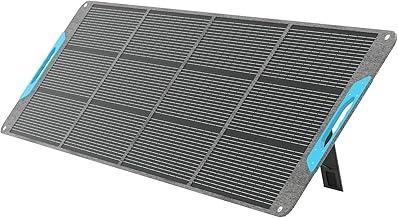
Best for campers who need higher output in a portable format. The Renogy 200W foldable panel includes a kickstand and USB-A/Type-C outputs, making it suitable as a primary charging source for RV or tent-trailer battery banks. This option suits setups where you can position the panel to catch optimal sunlight during daytime adventures, such as roadside camps or RV park lots. It’s better for longer trips with higher daily energy needs.
Who it’s for: hikers who stay in one location during the day or families with medium power requirements. Why selected: high efficiency and practical foldable design for easy storage in trailers.
Caution: Ensure your battery system supports the output and that you have compatible cabling for the USB ports if you intend to run devices directly from the panel.
ECO-WORTHY 200W Solar Panel Kit

Best for RVs and caravans needing a sturdy off-grid charging solution. The kit features a high-efficiency monocrystalline panel and a 30A PWM charge controller, designed to handle typical 12V or 24V systems. Use this when you want a tested, vehicle-ready solar setup that can sustain longer trips with multiple devices connected. It’s a solid choice for reliable battery maintenance during extended outdoor stays.
Who it’s for: families or groups with multiple devices and a moderate daily energy load. Why selected: balanced performance, robust PWM controller, and proven reliability for RVs.
Limitation: PWM controllers are generally less efficient than MPPT in varying sunlight, though adequate for steady trailer charging needs.
Much 200W Flexible Solar Panel Kit

Best for van and RV owners seeking lightweight, bendable solar options. The two 100W flexible panels are designed to conform to curved surfaces, making it easier to add solar capacity to irregular trailer roofs or vans without adding noticeable bulk. Choose this if you want a flexible, portable solution that can adapt to unique trailer shapes. It’s less ideal for rigid roof installations requiring a flush mount.
Who it’s for: campers with curved surfaces or those prioritizing weight reduction. Why selected: flexibility and portability with adequate total wattage for everyday trailer charging.
Caution: Flexible panels can be more susceptible to microcracks if not properly secured or bent beyond their recommended radius, so follow installation guidelines carefully.
SOLPERK 20W 12V Kit with MPPT Controller

Best for portable, compact charging on boats, cars, or small trailers. The SOLPERK kit combines a compact 20W panel with an MPPT controller and a mounting bracket for flexible installation. It’s a practical option for users who want a ready-to-use setup that can be moved between vehicles or stored easily when not in use. This kit is good for light charging needs and demonstrating solid MPPT efficiency in a small footprint.
Who it’s for: solo travelers or small trailers with limited space and modest battery capacity. Why selected: compact design, smart MPPT control, and easy mounting.
Limitation: The lower wattage means slower replenishment of larger battery banks, especially under cloud cover or during extended cloudy periods.
Buying Guide
What should you consider when choosing a tent trailer solar setup?
- Power needs: estimate daily energy consumption in amp-hours and convert to watt-hours to match solar output with storage capacity.
- System voltage: common 12V systems align with most batteries, chargers, and RV equipment; verify compatibility with your trailer’s electrical setup.
- Portability vs. capacity: foldable and flexible panels suit compact trailers; rigid panels deliver steady performance but require storage space.
- Charge controller type: MPPT controllers maximize efficiency in variable sun but can be pricier; PWM is budget-friendly but less efficient in fluctuating conditions.
- Installation considerations: mounting surface, tilt capability, and weather exposure; ensure waterproofing and proper cabling.
- Durability: look for IP ratings, rugged connectors, and protective housings for outdoor use on trailers, boats, or campsites.
- Expansion potential: consider modular kits that allow adding panels as energy needs grow during longer trips.
FAQ
- What size solar panel is best for a tent trailer?
Panel size depends on daily energy needs and storage capacity. A typical starter setup ranges from 100–200W, with the option to add more panels for higher loads.
- Is MPPT worth the extra cost for tent trailers?
MPPT controllers improve efficiency, especially in variable sunlight or when wiring distances are long. They are generally worth it for better battery charging performance.
- Can flexible panels be used on a rigid trailer roof?
Yes, but ensure proper mounting and consider protective layers to prevent damage from flexing if the surface is not uniform.
- Should I choose PWM or MPPT for a small trailer system?
For small systems with limited space and consistent sun, PWM is adequate. For higher efficiency, especially in mixed sun, MPPT is preferable.
- Do I need an inverter with these solar kits?
If you plan to run AC devices, an inverter is necessary. For 12V DC devices, you can operate directly from the 12V system and components.
- How do I maintain battery health with an RV solar system?
Regularly monitor charge and discharge cycles, keep batteries at proper voltage, and use a charger with protections to prevent overcharging or deep discharge.