When shopping for a three-season tent, the goal is reliable weather protection, comfortable headroom, and quick, simple setup. These tents are suited for spring, summer, and fall conditions, offering rain protection, decent ventilation, and durable builds for weekend trips or backpacking stints. The following selections emphasize user-friendly setups, family or group usability, and dependable performance for casual campers and outdoor enthusiasts alike. The buyer types addressed include casual campers, family car campers, hikers seeking ultralight options, and weekend travelers who value quick shelter after long days outside.
Summary of featured products:
- Product A: Coleman Skydome Camping Tent — best for hassle-free setup and extra interior space.
- Product B: Coleman Sundome Camping Tent — best for budget-friendly, all-weather reliability in popular sizes.
- Product C: Clostnature Lightweight Backpacking Tent — best for ultralight backpackers who still want 2 doors and solid weather protection.
- Product D: Vidalido 3-4 Person Camping Tent — best for families needing large mesh views and easy access.
- Product E: BISINNA 2/4 Person Camping Tent — best for versatile, compact backpacking with wind resistance.
Coleman Skydome Camping Tent With 5 Minute Setup

The Coleman Skydome aims at users who want quick shelter with extra headroom. Its fast setup and rainfly help protect against sudden showers, making it suitable for car campers or festival-goers who value speed. With more headroom than traditional pop-up canopies, this tent improves interior comfort during longer stays. Best for: casual campers who need a straightforward, roomier canopy for families or groups. Better for: afternoons spent lounging inside when weather holds. Caution: bulky transport may be challenging for backpackers due to size and weight.
Coleman Sundome Camping Tent With Rainfly

The Sundome series is known for reliable weatherproofing and quick setup, with models sized 2, 3, 4, and 6 person options. It’s a practical choice for weekend campers who need a sturdy, budget-friendly shelter that can handle rain and light winds. Best for: short-escape campers and festival-goers who prioritize ease of use and dependable shelter. Better for: quick-two-step setup when arriving after dark. Caution: the interior may feel tighter in the smallest 2- and 3-person configurations for taller occupants.
Clostnature 1/1.5/2/3/4/6 Person Lightweight Backpacking Tent

This ultralight option uses an aluminum pole and a PU 5000 waterproof rating, prioritizing portability without sacrificing durability or shelter height. It’s a versatile choice for hikers who want to scale from 1 to 6 person setups depending on group size. Best for: ultralight backpackers who still want robust weather protection and a freestanding design. Better for: solo trips or small groups seeking easy setup and compact packing. Caution: the lighter construction may be less forgiving in stronger winds or heavier rain.
Vidalido 3-4 Person Camping Tent With Mesh Screen
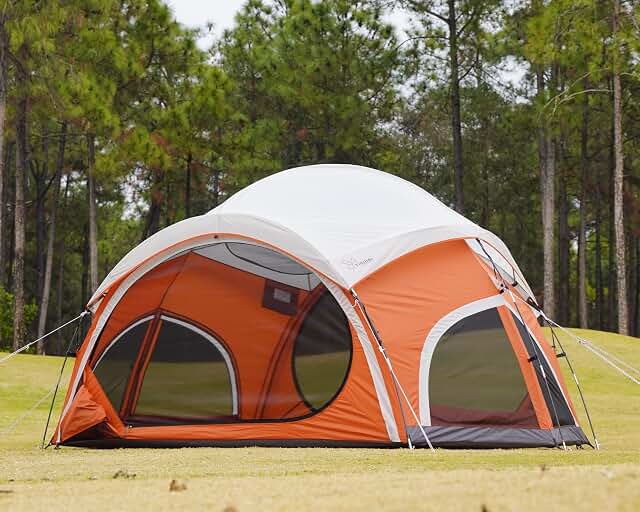
This model emphasizes a durable build with large, breathable mesh and huge windows for airflow and visibility. It’s well-suited for family car camping or weekend getaways where ventilation and a comfortable living space matter. Best for: families or small groups who want a bright, airy interior and easy entry with double side zippers. Better for: moderate climates where airflow reduces condensation. Caution: the larger footprint may require more packing space and a bigger car or trunk.
BISINNA 2/4 Person Camping Tent

The BISINNA tent focuses on a compact packing profile with windproof features and a two-door design for easy ingress and egress. It’s a practical pick for budget-conscious campers who still want reliable protection and straightforward setup. Best for: hikers or car campers who prioritize value and a spare rainfly. Better for: short trips where space and budget are key constraints. Caution: smaller interior may feel cramped for taller users or gear-heavy setups.
Buying Guide
What should you consider when choosing a 3-season tent?
- Protection from weather: Look for waterproof ratings, sealed seams, and rainfly coverage adequate for 3-season use. Ventilation matters to reduce condensation in humid climates.
- Size and weight: Decide between car camping and backpacking. Freestanding designs with simple poles are easier to set up in uneven terrain.
- Door count and layout: More doors improve access and reduce disturbance for sleep partners. Check interior height for headroom comfort.
- Ventilation vs. privacy: Mesh panels provide airflow but reduce privacy; find a balance that suits your camping style.
- Durability and materials: Aluminum poles generally offer strength with lighter weight. Look for robust fabrics and reinforced seams for longevity.
- Setup complexity: Some tents claim quick setups but may require practice. Consider models with color-coded poles and clips for faster erecting.
- Price vs. features: Higher price often reflects better weather resistance, durability, and user-friendly designs. Compare features that match your trip needs.
- Climate suitability: For spring to autumn use, ensure the tent can handle occasional rain and wind without excessive heat retention in warm evenings.
FAQ
- What is a 3-season tent best used for?
3-season tents are designed for spring, summer, and fall conditions, offering rain protection, reasonable ventilation, and durability for general camping and light to moderate weather.
- How many people should a 4-person tent accommodate?
Fabric and floor area determine comfort. A true 4-person tent provides space for four sleeping pads plus gear, but taller occupants may feel snug. Look for floor space and peak height specifications when available.
- Is a freestanding tent easier to set up?
Freestanding tents stand on their own with poles and stakes, which can simplify setup on uneven ground. They’re generally easier for beginners and quick campsite adjustments.
- Should I choose more doors or a larger single opening?
More doors improve access and airflow and reduce disruption when someone moves around inside. Choose based on group size, sleeping arrangement, and comfort needs.
- What features help prevent condensation?
Ventilation through mesh panels, rainfly design, and tent geometry help minimize condensation. Proper gear storage and rainfly positioning can also improve airflow.
- Are aluminum poles better than fiberglass?
Aluminum poles tend to be lighter and stronger than fiberglass, offering greater durability and easier maintenance for frequent campers.