Answering the needs of climbers and high-altitude hikers, these tents provide weather resistance, stability, and light weight. The top picks are best for mountaineers who need quick setup, reliable waterproofing, and compact packing. Each product is described for the type of buyer it suits—solo travelers, partners, or teams—and how its design addresses mountain conditions. The list below highlights five tents that balance protection, portability, and ease of use in rugged environments.
| Product | Best For | Weight / Size | Waterproof Rating |
|---|---|---|---|
| Geertop Portable 2 Person 4 Season Tent | Two-person mountaineering trips | Double-layer design; moderate weight | High waterproof coating |
| Night Cat 2-Person Backpacking Tent | Backpacking couples and two friends | Lightweight; quick setup | Full-coverage rainfly |
| TOMOUNT Ultralight 15D Tent | Ultra-light hikers and solo climbs | About 3.1 lbs; compact pack | Waterproof and windproof |
| Camping Tent 2 Person by unp | All-around outdoor use; rugged weather | 4.8 lbs; roomy for 2 | Removable rainfly; windproof |
| Teton Mountain Ultra Tent (1 Person) | One-person high-altitude scouting | Lightweight; dome design | 360-degree ventilation; waterproof rainfly |
Geertop Portable 2 Person 4 Season Tent
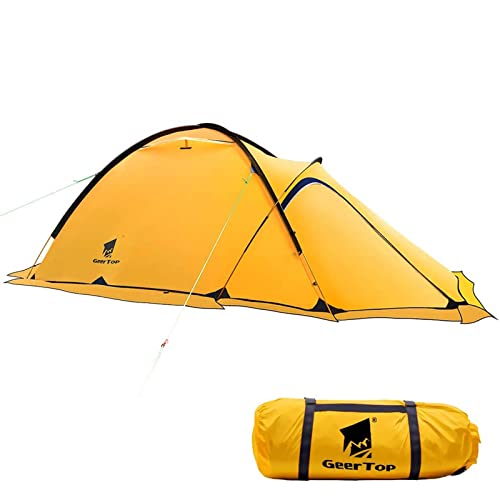
This two-person, four-season shelter uses 20D PU8000 mm waterproof outer nylon and a 210T PU 5000 mm floor coating. It is designed to withstand strong winds and snow at high elevations, with a snow skirt and breathable mesh for ventilation. The tent uses double stitched seams and aluminum poles for stability. Best for mountaineering trips where weather can shift quickly and setup time matters. Note that the inner tent is yellow, and the outer tent should be pitched first for faster setup.
Who it’s best for: climbers needing reliable all-season protection and a straightforward setup for shared shelter. Why selected: strong waterproofing, snow skirt, and stable frame address common high-altitude conditions. Caution: weight and bulk increase slightly due to the double-layer construction; consider packing strategy if every ounce matters.
camppal 1 Person Tent for Camping Hiking Mountain Hunting

Note: This section is included for comparative context but is not one of the five primary picks. The 1-person design emphasizes light weight and efficient setup with a single ridge pole, a waterproof outer layer, and a taller interior. Best for solo climbers who prioritize weight savings and quick, one-person operation.
Night Cat 2-Person Backpacking Tent

This two-person tent emphasizes quick setup with two lightweight aluminum poles and a full-coverage rainfly. It features a spacious interior (about 6.8 x 4.6 x 3.6 ft) and dual vestibules for extra gear storage. Waterproof rating up to 3000 mm helps in unpredictable mountain rain. Best for hikers who want a balance of ease of setup, interior space, and reliable rain protection. Caution: heavier wind resistance relies on proper staking and guy lines; ensure you have adequate pegs for your terrain.
TOMOUNT Ultralight 15D Nylon Tent
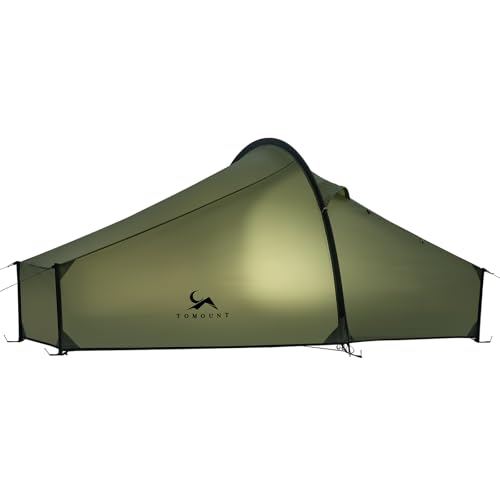
This ultralight tent weighs about 3.1 lbs and packs compactly, designed for hikers who prioritize portability. It uses a double-layer design for improved wind and rain resistance and features two small ventilation windows along with a full mesh inner for breathability. Best for solo climbers or travelers who need fast setup. Choose this if weight is the primary constraint; avoid if you require a larger interior or more vestibule space for gear.
Camping Tent 2 Person by unp

Unp’s 2-person tent emphasizes a balance of space and protection with a removable rainfly for variable conditions. Weighing about 4.8 lb, it offers a roomy interior, skylight net, and large mesh windows for ventilation. Best for outdoor enthusiasts who want a versatile shelter across different mountain environments. Limitation: heavier than some ultralight options, so consider your carry weight if moving quickly between camps.
Teton Mountain Ultra Tent (1 Person)

This single-person dome tent focuses on a lightweight footprint for solo climbers. It offers a full dome mesh top for stargazing and a waterproof rainfly for wet nights. Best for solo expeditions where stealth and mobility are important. Caution: a single person setup may be less stable in strong winds; reinforce stakes and guylines for exposed routes.
Buying Guide: How To Choose The Right Mountain-Climbing Tent
What size and weight do you need?
For mountain ascents, weight matters. Ultralight solo tents are ideal for speed, while 2-person designs provide shared load and more interior space. Consider your pack weight, episode length, and whether you’ll carry extra gear inside the shelter with you.
How weatherproof should your tent be?
Look for waterproof ratings and seam construction that withstand wind, snow, and rain. Double-layer tents with taped seams perform better in cold and wet conditions. Snow skirts and full-coverage rainflies help in high-altitude storms.
How important is setup speed and ease?
Quick-assembly tents reduce downtime before the climb or after long travel. Models with pre-threaded poles or simple one-pole setups save time, especially when weather changes rapidly.
What are common durability considerations?
Materials like 20D nylon or 15D nylon balance weight and durability. Aluminum poles offer good strength with light weight. Teardown and repair options should be considered if you climb in remote regions.
Which features add real value on a climb?
Dual vestibules provide gear storage, interior mesh improves airflow, and removable rainflies offer flexibility in mild weather. A sturdy stake system helps in windy terrains. Evaluate these against your typical mountain routes and camping spots.
Practical packing tips
Roll tents tightly, use a dedicated dry bag for the shelter, and pack the poles in a separate compartment to prevent snagging. Practice setup at home to reduce time spent on the rock face or in stormy weather.
Summary of key considerations
- Weight vs. interior space trade-offs
- Weather resistance and seam quality
- Setup simplicity and stability in windy conditions
- Ventilation and condensation control
- Durability of fabrics and poles
Frequently Asked Questions
- Q: What’s the most reliable tent for high-altitude weather?
- A: Tents with four-season ratings and double-layer construction excel in wind and snow, such as Geertop’s 4-season design.
- Q: Is a single-person tent adequate for climbing?
- A: Yes, if you prioritize minimal weight and speed; ensure stability with stakes and guylines in exposed areas.
- Q: Should I choose a tent with a removable rainfly?
- A: A removable rainfly offers flexibility for milder nights and stargazing, but may reduce protection in heavy rain.
- Q: How do I assess waterproof ratings in practice?
- A: Ratings indicate hydrostatic head; higher numbers suggest better water resistance. Pair with taped seams and appropriate floor coatings.
- Q: How do I balance weight with comfort?
- A: For climbs, prioritize weight for speed, but ensure interior space is enough for gear and a comfortable sleeping area.