Answering the needs of serious thru hikers: these sleeping bags are designed to be lightweight, compact, and weather-ready for multi-day treks. The top picks below suit long-distance hikers seeking reliable warmth, compact packing, and durable shells. Best for backpackers who value packability, dry comfort, and simple setup.
Summary at a glance: the following table highlights key specs for quick comparison. It helps you decide which bag fits your trail length, climate, and carry weight priorities.
| Product | Best For | Temp Rating | Weight | Pack Size |
|---|---|---|---|---|
| ECOOPRO Warm Weather Sleeping Bag (83″ x 30″) | All-around warm weather trekking | 55–60°F | 1.7 lbs | 11″ height |
| Teton Trailhead 20 Degree | Cool nights, longer trips | ~20°F | Lightweight | Compact |
| Naturehike Lightweight Compact Sleeping Bag | Backpacking light & fast | 59–32°F | Very light | Compact carry |
| Nature Link Lightweight Mummy Sleeping Bag | Tall or long trekkers | 42–55°F | 2.87 lbs | 13″ height |
| MalloMe Sleeping Bags for All Ages | Family-friendly or group trips | 50–77°F | ~3 lbs | Compression sack |
ECOOPRO Warm Weather Sleeping Bag
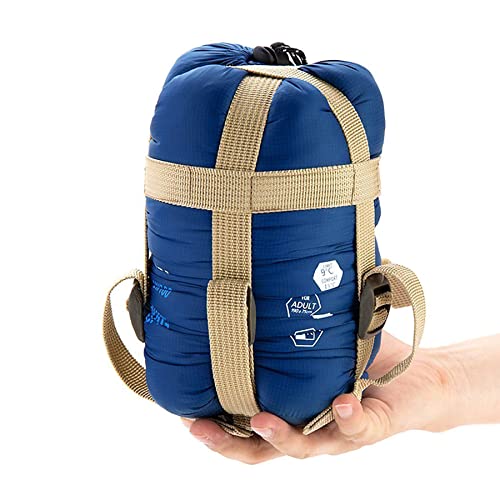
- Ultra Comfort & Durable: Outer nylon is waterproof and durable; lining is breathable polyester. Keeps temp around 55–60°F for a comfortable night.
- Professional Design: Weatherproof, smooth zip, 83″ x 30″ fits most adults; can accommodate an adult or two children.
- Compact & Lightweight: Rolls into a carrying sack; compresses to about 11″ height and 1.7 lbs.
- Best For: Warm-weather thru hikes where light weight and quick-dry performance matter most.
Caution: This bag targets warmth in mild temps; it may not suffice on cold desert nights or high-altitude temps below freezing.
Teton Trailhead, 20 Degree Sleeping Bag

- Lightweight and Lofty: Innovative microfiber insulation provides good loft and compressibility without sacrificing warmth.
- Roomy Footbox: Designed for comfort with extra space for toes and feet.
- Draft Tube and Soft Liner: Minimizes drafts; comfortable interior for restful sleep.
- Best For: Hikes with cool nights where a dependable 20°F rating helps you sleep soundly on the trail.
Caution: As a mummy-style bag, it may feel snug for those who prefer more shoulder room.
Naturehike Lightweight Compact Sleeping Bag

- Ultra Lightweight & Compact: Weighs about 0.76 kg / 1.68 lbs; compresses to small dimensions for easy carry.
- Roomy and Comfortable: 80.7″L x 33.5″W with plush filling for a relaxed night.
- Ideal For Backpacking: Filled with imitation silk cotton for warmth without bulk.
- Best For: Backpackers who need a balance of warmth, weight, and space on multi-day treks.
Caution: The temperature range indicates versatility; verify expected night temps to ensure adequate warmth for your route.
Nature Link Lightweight Mummy Sleeping Bag

- Warm and Lightweight: 42–55°F rating with 300 g/m² insulation; weighs 2.87 lbs and compresses to 13″ height.
- Durable Nylon Shell & Lining: Water-repellent 20D ripstop shell with comfortable 20D lining.
- Roomy and Long: Dimensions 86.6 x 29.5 x 22.8 inches; roomy for regular to tall hikers.
- Best For: Longer or variable-temperature trips where a mummy shape and compact size are beneficial.
Caution: Lower temperature performance should be considered for high-elevation nights; plan accordingly.
MalloMe Sleeping Bags for All Ages

- Year-Round Comfort: Temperature rating 50°F to 77°F; suitable for kids and adults alike.
- Ultralight For Backpacking: Around 3 lbs with a compression sack for easy carrying.
- Durable Outer Shell: Waterproof hex-tech construction with double-layer stitching for reliability.
- Best For: Family trips, youth groups, or shared tents where a versatile bag is useful.
Caution: Larger adult users may find some models less roomy than full-size adult bags; check measurements before buying.
Buying Guide: How To Choose The Right Thru Hiking Sleeping Bag
What temperature rating do you need?
Match the bag’s temperature rating to the range you expect on your thru hike. If you’ll hike in mild climates most nights, a 50–60°F bag may suffice. For cool or variable nights, consider bags rated to 20–40°F for safety.
What weight and packing space are practical?
Backpackers prioritize lightweight and compact bags. Look for synthetic insulation with compression sacks or lightweight down alternatives when possible. Compare weight in pounds and the compressed size to fit your pack.
Should you prefer a mummy or rectangular shape?
Mummy bags save weight and warmth by tapering around the body, while rectangular/envelope styles offer more room. For thru hiking, a snug mummy bag with a draft collar is common; for longer nights with room to shift, an envelope bag may be preferable.
How important is durability and weather resistance?
Water-repellent shells and durable linings help protect you in dew, rain, and damp camps. Nylon shells with ripstop construction and quality zippers reduce snagging and wear on rugged trails.
Is compatibility with a backpacking system a factor?
Look for bags that roll tightly into a compact sack and can share space with other gear. Some bags include a built-in compression sack; others benefit from aftermarket compression options.
What about size and fit?
Width and length should accommodate your height and shoulder breadth. Most adult bags list lengths like 83″ and 86″ and widths around 29–33″. If you’re taller or broader, choose longer and wider models to avoid restricted movement.
FAQ
- What is the best thru hiking sleeping bag for cool nights?
Consider a bag rated around 20°F to 40°F with good loft and a draft tube. The TETON Trailhead is designed for warmth with a roomy footbox and strong insulation.
- Are envelope sleeping bags better than mummy bags for hiking?
Envelope (rectangular) bags are roomier and easier to move in, while mummy bags save weight and provide more warmth per pound. Choose based on comfort preference and climate.
- Can these bags handle rain or moisture on the trail?
Most featured bags use water-repellent nylon shells. They perform better when kept dry; use a ground tarp or rain cover to enhance protection in wet camps.
- What should I consider besides weight when choosing?
Durability, temperature rating, packability, and comfort features like a soft liner and easy zipper are important. Also check fit for long torsos or tall hikers.
- Is a separate compression sack necessary?
Not always; some bags have integrated sacks. If not, you may want a dedicated compression sack to reduce packing volume for long treks.