The best tick repellent for camping combines effective protection with skin-friendly and gear-safe formulas. This guide highlights five proven options, showing who each product is best for and why. Use this to choose a plan that protects you on trails, campsites, and outdoor gear.
Summary of selected products:
- Sawyer SP657 Premium Permethrin Insect Repellent for Clothing, Gear & Tents — best for long-lasting fabric protection on clothing, footwear, and gear.
- Off! Deep Woods Insect Repellent Aerosol — best for high-deet protection in severe bug conditions.
- Repel 100 Mosquito and Insect Repellent — best for long hours of protection in high-risk outdoor environments.
- Grandpa Gus’s Natural Tick and Mosquito Repellent Spray — best for those seeking DEET-free, plant-based options for families.
- Sawyer SP6572 Twin Pack Premium Permethrin Clothing Insect Repellent — best value for multiple clothing and gear applications.
Sawyer SP657 Premium Permethrin Insect Repellent

Best for: Campers who want the extra layer of protection on clothing, gear, tents, and netting. Why selected: Permethrin bonds to fabric fibers for up to six weeks or six washings, whichever comes first, and does not stain or damage fabrics or outdoor gear. The product is fragrance-free and can reduce tick bite likelihood when applied to shoes and socks. For maximum protection, pair with a skin repellent such as Picaridin on the skin. Limitations: This product treats fabrics, not skin, and must be used as directed on textiles and gear only.
Off! Deep Woods Insect Repellent Aerosol
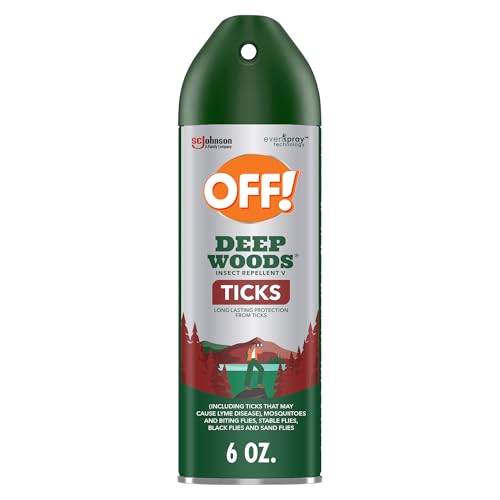
Best for: Outdoor enthusiasts facing dense insect activity or high tick exposure. Why selected: Contains 25% DEET, offering protection against ticks, mosquitoes, and other biting insects including those that may carry diseases. This option provides long-lasting coverage and is widely recognized for severe insect conditions. Caution: DEET can irritate some skin or be unsuitable for very young children; follow label directions when applying to skin and avoid prolonged exposure on vulnerable individuals.
Repel 100 Mosquito and Insect Repellent

Best for: Families seeking high-duration skin protection in challenging outdoor settings. Why selected: Contains 98.11% DEET with protection claims up to 10 hours, repelling mosquitoes and a range of insects including ticks. Limitations: DEET-heavy formulas may be overkill for light exposure or for users requiring fragrance-free options; consider milder alternatives for casual camping.
Grandpa Gus’s Natural Tick And Mosquito Repellent Spray
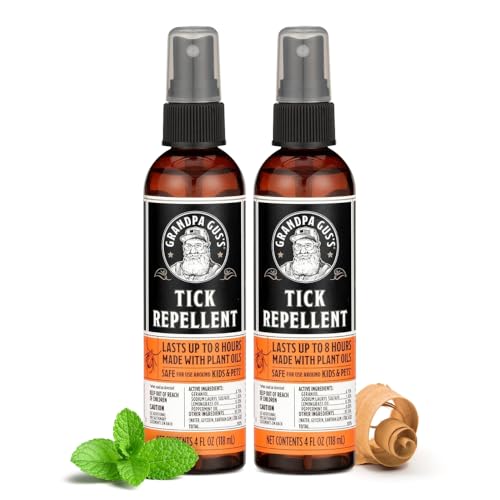
Best for: Campers and families preferring DEET-free, plant-based protection. Why selected: Plant-based formula uses Geraniol, Lemongrass, and Peppermint oils to deter ticks and mosquitoes for up to 8 hours and 6 hours respectively. It is non-toxic, non-greasy, and safe for kids when used as directed. Limitations: Data shows tick protection is shorter on mosquitoes than some synthetic options, and it may require reapplication more often in intense conditions.
Sawyer SP6572 Twin Pack Premium Permethrin Clothing Insect Repellent

Best for: Outdoor lovers who want extended permethrin protection across multiple garments or gear items. Why selected: Two-pack offering duplicates the fabric-friendly permethrin formula that bonds to fabric for up to six weeks or six washings. It remains fragrance-free and enhances protection when paired with skin repellents. Limitation: Like other permethrin products, it is intended for fabric treatment only and not for skin application.
Buying Guide: Tick Repellent For Camping
- What to treat: Permethrin-treated clothing and gear provide a protective barrier that reduces tick bites by disabling ticks they encounter on fabrics. Skin repellents protect exposed skin from ticks and other insects.
- Active ingredients: DEET remains a strong option for skin protection, while permethrin is widely used for fabric. Plant-based and DEET-free formulations offer family-friendly and fragrance-free alternatives.
- Duration and coverage: Permethrin can last weeks and through multiple washings on fabrics; skin repellents vary by product, often providing hours of protection. Choose a combination that aligns with your trip length and terrain.
- Safety and suitability: Read label directions for age suitability, skin sensitivity, and application methods. Permethrin is for clothing and gear; DEET is for skin in most products with appropriate usage guidelines.
- Environment and conditions: Higher humidity and dense brush areas increase exposure risk. In such zones, a two-layer approach (fabric treatment plus skin repellent) offers stronger protection.
- Wear and application tips: Apply permethrin to clothing and gear in a well-ventilated area before exposure. Reapply as directed after washing or as recommended for the product. Reapply skin repellents as needed after sweating or water exposure.
Frequently Asked Questions
- Is permethrin safe on clothing and gear? Yes, permethrin bonds to fabric fibers and remains effective for weeks or until the fabric is washed, without staining most fabrics when used as directed.
- Can I apply DEET and permethrin together? Yes, but apply permethrin to clothing first and skin repellents to exposed skin, allowing appropriate drying times before overlapping use.
- Which option is best for families with kids? A DEET-free or low-deet, plant-based product along with permethrin-treated clothing provides a balance of protection and safety for children when used per label instructions.
- How long does skin protection last? It varies by product; check the label for hours of protection and reapplication guidance, especially after sweating or water exposure.
- What’s the best combined approach for tick-prone areas? Use permethrin-treated clothing or gear plus a skin repellent on exposed skin for comprehensive coverage in wooded or grassy terrain.
- Are there fragrance-free options? Yes, several products offer fragrance-free formulas, which can be better for sensitive wearers and gear that must stay odor-neutral.