When selecting an ultra-light sleeping pad, look for low weight, compact packing, and reliable insulation. This guide highlights five top options suited for backpackers, weekend hikers, and minimalist campers who want warmth without sacrificing carry efficiency. Each pick is explained with who it’s best for, why it stands out, and a practical caution to consider before purchase.
Quick overview of chosen products
| Product | Best For | Key Value | Notes |
|---|---|---|---|
| Elegear CumbreX Sleeping Pad | Four-season backpackers seeking high insulation | 9 R-Value, 4” thickness | Very warm; heavier than some ultralight options |
| Gear Doctors ApolloAir 5.2 | Backpackers who want a compact inflate-and-go mat | 3”-4” thick, inflatable | Very packable; requires inflation step |
| TREKOLOGY UL R7 (Green) | All-season hikers needing budget-friendly warmth | 7.2 R-Value, 4” thick | Lightweight with generous size |
| TREKOLOGY UL R7 (Blue) | Same value, color variant for options | 7.2 R-Value, 4” thick | Similar performance; choose color preference |
| Naturehike Ultralight Sleeping Pad | Cold-weather campers needing structural insulation | 4.6 R-Value, 8 cm thickness | High warmth; heavier than minimal pads |
Elegear CumbreX Sleeping Pad

The Elegear CumbreX is built for extreme-cold camping with a certified 9 R-value insulation system. Weighing around 2 lbs, it suits serious four-season adventures where warmth is a priority. The high insulation is especially beneficial for high-altitude, desert, or snowy environments, helping to prevent ground chill from robbing sleep. Best for the dedicated winter camper or anyone who camps in consistently cool to freezing conditions.
Why it’s selected: The pad’s 9-layer insulation and ASTM F3340-22 certification indicate robust warmth, while its compact pack size supports long hikes. The included pump sack enables fast inflation in 4–6 pumps, which helps reduce setup time after a long day on the trail.
Best for: Winter campers, high-altitude trekkers, and anyone who prioritizes warmth in a compact, rugged pad.
Caution: The robust insulation adds weight and bulk relative to lighter ultralight options, which might not suit hikers prioritizing minimal pack weight above all else.
Gear Doctors ApolloAir 5.2 Ultralight Pad

The ApolloAir inflatable pad focuses on compact packing and a lightweight footprint. It inflates quickly and folds into a small carry pouch, making it attractive for backpackers who want minimal bulk in their pack. With a bed size of about 72.8 inches by 22 inches and a comfortable thickness, it provides generous space for most adults.
Why it’s selected: It excels at travel-ready portability. The included pumping accessories and a compact form factor help sustain long treks where every gram matters. The design emphasizes a balance between packability and cushioning for a restful night on varied terrains.
Best for: Hikers who need a compact, inflatable pad with fast setup and easy transport.
Caution: The pad relies on inflation; users who dislike inflating segments may prefer a mat with a built-in pump or self-inflating design.
TREKOLOGY Sleeping Pad – Green (7.2 R-Value)

This TREKOLOGY pad offers 7.2 R-value insulation and a 4” thickness, combining warmth with light weight. It inflates to about 70.8 by 24 inches and is designed for all-season comfort, including side sleeping positions. The SGS certification and compact form aid in easy carry on longer hikes.
Why it’s selected: Its insulation level is strong for its weight, and the pad packs down small enough to fit in a typical backpack without expanding bulk. It’s a practical, versatile option for hikers who want solid warmth without heavy gear.
Best for: All-season hikers and budget-conscious campers who still want reliable warmth.
Caution: As with many inflatable pads, performance depends on maintaining consistent air pressure; punctures can compromise insulation and comfort.
TREKOLOGY Sleeping Pad – Blue (7.2 R-Value)

This blue variant shares the same 7.2 R-value insulation and 70.8 x 24-inch sleeping area as its green counterpart. It remains ultra-light and highly packable, making it a solid choice for campers who want a slightly different color option without sacrificing performance.
Why it’s selected: The dual TREKOLOGY options provide consistent insulation and sleeping space, enabling buyers to choose color preference or minor aesthetic differences while relying on identical specs for all-season use.
Best for: Campers who value consistency across color choices and want a dependable all-season pad.
Caution: Availability of color may vary; check stock before planning a specific color choice for a trip.
Naturehike Ultralight Sleeping Pad
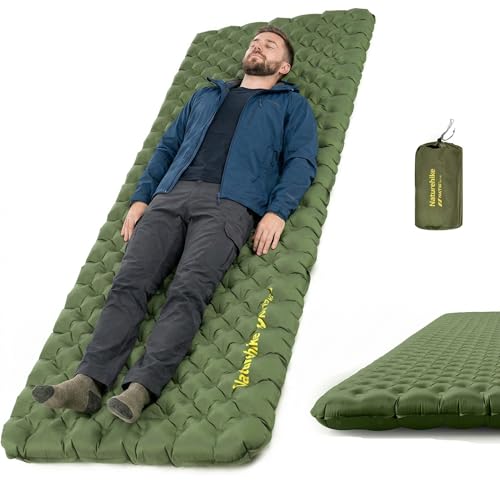
The Naturehike pad features an eight-layer aluminum insulated structure and a 4.6 high R-value, designed to block ground heat loss while staying relatively light for its warmth. It’s built for campers who face negative conditions and want a higher warmth threshold with rugged construction.
Why it’s selected: The heat-reflective system and multi-layer insulation help lock in warmth in colder environments. The thicker profile and aluminum layers provide stability on uneven ground, improving sleep quality in challenging campsites.
Best for: Cold-weather campers and those who sleep cold or camp at altitude.
Caution: It is heavier than some ultra-light pads, which could be a consideration for long-distance backpackers prioritizing ultra-light gear.
Buying Guide: Key Considerations For Ultra-Light Sleeping Pads
- Insulation and R-value: Higher R-values mean better warmth in cold conditions. Choose based on expected nighttime temperatures and camping season.
- Weight and packed size: Compare weight in pounds and packed dimensions to ensure it fits your backpack’s capacity.
- Inflation method: Pads with built-in pumps or fast-inflate designs save setup time. Consider ease of use if you hike alone.
- Thickness and comfort: Thicker pads reduce ground feel and are better for side sleepers; thinner pads save weight but may be harder on rough ground.
- Durability and material: Look for ripstop fabrics, TPU coatings, and multiple layers to resist punctures and wear in rugged terrain.
- Packability vs. support trade-off: Some pads compress tightly but sacrifice some support; balance your need for space with comfort.
- Compatibility with sleep position: Side sleepers may benefit from a pad that offers more thickness and contouring.
FAQ
- What makes an ultralight sleeping pad different from a standard pad?
– Ultralc pads prioritize low weight and compact packing while still providing insulation and cushioning. They often use lighter fabrics and thinner profiles with efficient insulation layers. - Is a higher R-value always better?
– Higher R-values improve warmth, especially on cold nights. For mild conditions, a lower R-value may suffice and reduce weight. - Should I choose an inflatable pad or a foam pad?
– Inflatable pads typically offer better weight-to-cushion ratios and smaller packed size; foam pads are bulkier but rugged and easy to deploy without inflation. - Can I use these pads without a sleeping bag?
– Yes, but a properly rated sleeping bag or blanket system is recommended to maximize warmth, especially in low temperatures. - How important is the pad’s thickness?
– Thickness affects comfort and insulation. Thicker pads provide more cushion and insulation from the ground, beneficial for side sleepers and rough terrain. - Do these pads work with tents and ground surfaces?
– Most are designed for tent use, but always verify dimensions to ensure a proper fit and stability on the specific ground type you expect.