Looking for an ultra-thin, compact sleeping bag that balances warmth, weatherproofing, and easy packing? This guide highlights five top choices for backpackers, hikers, and campers who want a lightweight, space-saving solution without sacrificing comfort. The selections are ideal for adults or solo travelers who prioritize easy carry, quick setup, and reliable protection from the elements.
Buyer-friendly quick table of the selected products:
| Product | Best For | Key Benefit | Approximate Pack Size (in) |
|---|---|---|---|
| ECOOPRO Warm Weather Sleeping Bag (Orange) | Backpacking, Summer Camping | Ultra-compact with 11″ height compression | 11 x 1.7 |
| ECOOPRO Portable, Waterproof Sleeping Bag | Backpacking, Travel | Waterproof and weatherproof with light weight | 11″ height, 1.7 lbs |
| Naturehike 4.5oz Ultralight Liner | Travel, Hostels, Hotels | Ultra-lightweight liner with machine wash | ~4.5 oz |
| Naturehike Lightweight Compact Sleeping Bag | Backpacking, Travel | Very light, compact packed size | 0.76 kg / 1.68 lb |
| REDCAMP Ultra Lightweight Sleeping Bag | Backpacking, Summer | Simple, lightweight two-way zipper option | 1.5 lbs |
ECOOPRO Warm Weather Sleeping Bag – Orange
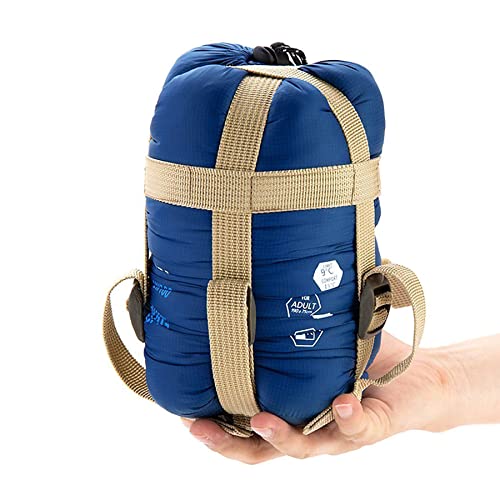
Best for: Solo backpackers seeking a compact, weatherproof bag for mild nights. The outer nylon is waterproof and durable, and the lining is breathable 100% polyester, supporting a comfortable sleep environment in temperatures around 55–60℉.
Why selected: The 83″ length and 30″ width provide room for an average adult, while its envelope-style compression bag reduces to a small footprint, making it particularly suitable for ultralight setups where every ounce and inch matters. The smooth zipper adds convenience for quick access.
Limitations: This bag targets milder conditions; for colder nights, layering or a warmer pad may be needed.
ECOOPRO Portable, Waterproof Sleeping Bag
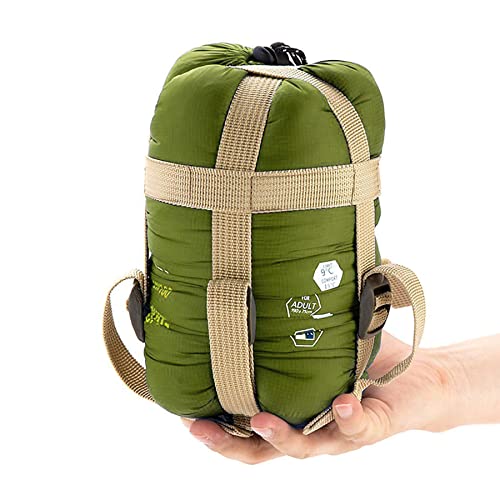
Best for: Backpackers who need reliable weather resistance in a lightweight package. The outer nylon is waterproof and the inner lining remains breathable for skin comfort.
Why selected: Similar to the orange version, this bag measures 83″L x 30″W and compresses to a compact height with a light weight, making it easy to carry during long treks. It suits campers who value a straightforward design with a dependable zipper closure.
Caution: The product data emphasize weatherproofing; verify compatibility with your pad and sleeping environment to ensure warmth retention in damp nights.
Naturehike 4.5oz Ultralight Sleeping Bag Liner

Best for: Travelers who want a hygienic, lightweight barrier between skin and shared sleeping gear. This liner weighs about 4.5 ounces and unfolds to 80×210 cm, with a compact 6×15 cm packed size.
Why selected: It’s machine washable and ultra-portable, making it ideal for hostel stays, hotel travel, or as an extra layer inside a primary sleeping bag for added cleanliness.
Limitation: As a liner, it does not provide full insulation; it should be used in conjunction with a proper sleeping bag in cooler conditions.
Naturehike Lightweight Compact Sleeping Bag

Best for: Backpackers needing a roomy yet ultralight solution for warm to mild nights. The bag weighs about 0.76 kg and compresses tightly for easy transport.
Why selected: It offers a balance of space and weight with an ample 80.7″L x 33.5″W interior, enabling comfortable sleeping positions. The premium fill and compact packaging are favorable for travelers who move quickly between campsites.
Tip: Consider the temperature rating and plan for layering if temperatures drop unexpectedly.
REDCAMP Ultra Lightweight Sleeping Bag
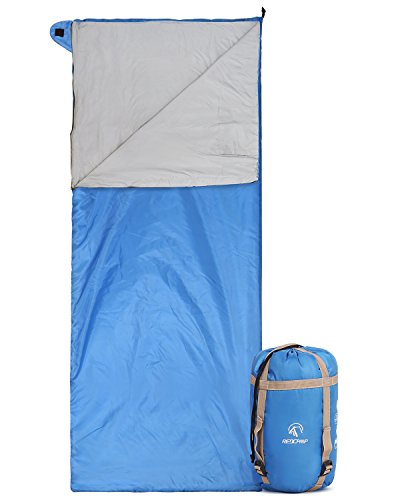
Best for: Summer campers who want a compact, simple bag with a versatile design for different sleeping setups. The 75″ x 32.5″ size fits most adults up to average height comfortably.
Why selected: The bag uses a two-way zipper enabling bag-to-bag attachment or use as a quilt when opened. This flexibility suits varied sleeping preferences and sharing scenarios in warm weather.
Limitation: It is optimized for warmer nights; for colder trips, plan an additional insulating layer or a warmer bag.
Buying Guide
- Temperature rating and warmth: Match the bag’s comfort rating to the typical nightly lows at your destination. Ultra-thin designs excel in mild weather but may need layering in cooler conditions.
- Weight and packed size: For ultralight backpacking, prioritize bags that compress to small dimensions and weigh under 2 pounds without sacrificing durability.
- Material and construction: Waterproof outer shells protect against moisture; breathable linings help regulate moisture and skin comfort. Check zippers for smooth operation.
- Fit and room: Ensure the bag length and width accommodate your height and shoulder width. Envelope or mummy shapes offer different space and warmth profiles.
- Durability and care: Look for bags with washable liners or easy-care fabrics if you travel frequently or stay in hostels and hotels.
- Weatherproofing vs. insulation: Ultra-thin bags often rely on weatherproof shells more than heavy insulation. Consider adding a sleeping pad for added comfort and warmth.
- Accessories: A compact compression sack or a small carry bag can save space and protect the bag during transit.
Frequently Asked Questions
- What is an ultra-thin sleeping bag best used for? Answer: Ideal for mild to warm conditions, where minimal gear is desired and weight-saving is a priority for backpackers and travelers.
- Should I pair an ultralight bag with a sleeping pad? Answer: Yes. A pad adds insulation from the ground and improves comfort, especially on uneven terrain.
- Is a sleeping bag liner enough warmth? Answer: Liners provide extra hygiene and a slight warmth boost but do not replace proper insulation in cold conditions.
- How important is waterproofing? Answer: Waterproof outer material helps protect against ground moisture and light rain; it’s especially valuable in damp environments.
- Can I attach two bags together? Answer: Some designs feature dual zippers for bag-to-bag attachment, which can convert two singles into a double or quilt setup.
- What should I consider when choosing a bag for hot climates? Answer: Focus on breathability, quick-drying fabrics, and the ability to compress for minimal carry space.