When shopping for an ultralight, 4-season sleeping bag, look for compact weight, efficient insulation, and adaptable temperature ratings. This guide highlights five strong options ideal for backpackers, hikers, and campers who want warmth without bulk. Each pick targets a specific type of buyer—from solo adventurers to families and occasional campers—so you can choose with confidence.
Here’s a quick overview of the top five products covered in this article. The table helps compare core traits at a glance:
| Product | Best For | Insulation | Weight (approx.) | Notable Feature |
|---|---|---|---|---|
| Naturehike Ultralight Down Cold Weather Sleeping Bag | Lightweight backpacking for adults and kids | 650 fill duck down | 1.67–1.95 lb | Two sizes; compact pack size |
| TETON Trailhead 20 Degree Sleeping Bag | Backpacking and active campers | Microfiber insulation | Lightweight; compact | Draft collar and vaulted footbox |
| Atarashi 3-4 Season Sleeping Bag | All-season camping for taller individuals | 400 GSM insulation | 4.2 lb | Semi-rectangular fit; DWR shell |
| ZOOOBELIVES 10 Degree Down Sleeping Bag | Cold nights, car camping, multi-night trips | 550+ fill power down | Standard mummy size | Anatomic 3D foot box; draft collar |
| QEZER Down Sleeping Bag for Adults | Compact all-season use; versatile for two-bag setup | 600 fill down | Lightweight and compressible | Dual-zipper design; wide fit |
Naturehike Ultralight Down Cold Weather Sleeping Bag

Best for: Backpackers and families who want a lightweight, versatile bag. This model blends envelope and mummy shapes to optimize warmth around the torso while allowing foot movement. Two size options (Medium and Large) help accommodate different heights while keeping weight down.
Key reasons to consider: 650 fill duck down delivers warmth with minimal bulk; compact packing size (13.8″ x 6.3″–7.1″); very light for roomy comfort. Caution: Limited information on temperature tolerance beyond comfort and limit ratings, so check your layering system for extreme conditions.
Teton Trailhead, 20 Degree Sleeping Bag

Best for: Serious hikers who want reliable warmth with a simple packing routine. The mummy hood design concentrates heat, while the draft tube and vaulted footbox increase comfort in cooler nights.
Why it stands out: Lightweight and loft-rich insulation with a dedicated compression sack for easy packing. Limitation: Microfiber insulation can feel less warm at extreme lows without a proper sleeping pad and clothing layers.
Atarashi 3-4 Season Sleeping Bag

Best for: Taller campers who need extra length and a weather-ready shell. The large 87″ length and semi-rectangular shape provide space for side sleepers seeking freedom of movement while remaining warm.
Why it was selected: DWR-coated 290T nylon shell offers weather resistance; full-length draft tube and adjustable hood improve warmth retention. Caution: Heavier than some ultralight options, which may affect pack weight for longer treks.
ZOOOBELIVES 10 Degree Down Sleeping Bag
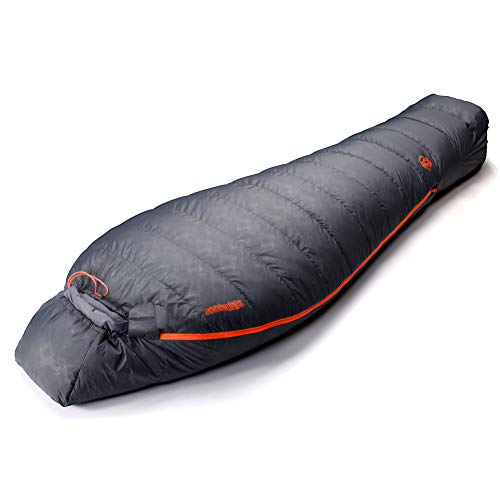
Best for: Campers who tolerate extra warmth and want a roomy, adjustable fit. The 550+ fill power down and a contoured hood help minimize cold spots on crisp nights.
Why it works: Lofty insulation and a draft collar seal out cold air. Caution: Down sleeping bags require careful storage and dry handling to preserve fill power over time.
QEZER Down Sleeping Bag for Adults

Best for: Campers who want a compact, all-season sleeping solution with easy two-way access. The 600 FP down and large dimensions accommodate varied sleeping styles and gear configurations.
Why it stands out: The design supports pairing two bags into a double bag, which can be convenient for shared trips. Caution: Some buyers may find it looser than specialized mummy bags in very cold weather.
Buying Guide: Key Considerations for Ultralight 4-Season Bags
What temperature rating do you actually need? Look for comfort and limit ratings that align with your typical camping climate and expected layering. If you sleep cold or venting occurs, consider bags with draft collars, draft tubes, and hood adjustments.
What shape fits you best? Mummy bags excel in warmth and packability, while semi-rectangular or rectangular cuts offer more room for side sleepers. Taller sleepers should check length options and capacity before purchasing.
How important is pack weight and volume? Ultralight bags aim to minimize weight while preserving warmth. Pay attention to packed size and included compression sacks, since space in a backpack matters on multi-day trips.
What shell and fill balance weather resistance? DWR-treated shells help shed light moisture, and down fill typically offers higher warmth-to-weight ratios. If you camp in damp environments, consider synthetic fills or extra weather protection.
Maintenance and care matters. Down bags require careful drying and storage; synthetic options can be more forgiving. Check cleaning instructions and storage recommendations from each brand.
Which features add real value? Features like built-in compression sacks, dual zippers for ventilation, and internal pockets can improve comfort and usability during long trips. Compare what matters most for your planned adventures.
FAQ
- Which sleeping bag is best for extreme cold? Down-filled bags with high fill power and a mummy shape typically perform best, but pairing with a quality sleeping pad is essential for insulation from the ground.
- Are ultralight bags suitable for kids? Yes, but ensure appropriate length and temperature suitability. Some models offer larger sizes or kid-specific options for better fit and safety.
- Can I use a 4-season bag in warm weather? Yes, but consider venting options like zip openings or partially unzipped configurations to prevent overheating.
- What should I consider about the pack size? A smaller packed size and light weight improve portability for treks, but ensure the bag still fits your height and sleeping style comfortably.
- How do I care for down sleeping bags? Drying and proper storage maintain loft and warmth. Use a dedicated storage sack and avoid compressing the bag for long periods when not in use.
- Is synthetic insulation better for wet climates? Synthetic fills perform better when wet and dry more easily, but typically weigh more and offer lower warmth-to-weight ratios than down in dry conditions.