Answering the needs of hikers who want compact gear without sacrificing warmth or comfort, these ultralight sleeping bags are ideal for backpacking. The top picks below suit different types of buyers: solo backpackers seeking compact warmth, mixed-weather travelers needing weatherproof shells, and budget-conscious hikers wanting reliable compressibility. The following five products are selected for their packability, weight, and practical features that help reduce carry weight on long treks.
| Product | Brand | Approx. Weight | Best For | Notes |
|---|---|---|---|---|
| ECOOPRO Portable, Waterproof, Lightweight Sleeping Bag | ECOOPRO | 1.7 lb | Backpacking enthusiasts seeking budget-friendly, waterproof envelope bags | Compact to 11″ height; weatherproof outer |
| Naturehike Lightweight Compact Sleeping Bag, 59℉/32℉ | Naturehike | ~1.68 lb | Travelers needing ultra-lightweight, roomy design | UL compact, 80.7″ x 33.5″ |
| Teton Trailhead, 20 Degree Sleeping Bag | TETON Sports | Varies by model | Backpackers needing reliable warmth | Lightweight with good loft and compressibility |
| ECOOPRO Warm Weather Sleeping Bag | ECOOPRO | 1.7 lb | Warm-weather backpackers who want a compact bag | Envelope style; compresses to small size |
| Naturehike Ultralight Down Sleeping Bag, 650FP | Naturehike | ~2 lb | Down-filled for better warmth-to-weight | RDS-down, two size options |
ECOOPRO Portable Sleeping Bag
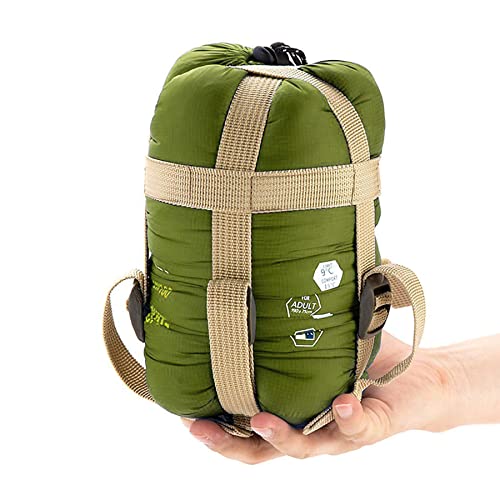
Best for budget-conscious backpackers who still want weather resistance. Outer nylon is waterproof and durable; lining is breathable polyester, promoting skin-friendly contact. It maintains comfort in the 55–60℉ range and uses a compact envelope design. The bag measures 83″ x 30″ and compresses to about 11″ with a weight near 1.7 lb, making it a strong choice for lightweight kits. Caution: not ideal for extreme cold or wet climates without additional insulation.
Teton Trailhead 20 Degree Sleeping Bag

Best for hikers who want a reliable, warm climate option without extra bulk. The mummy hood and draft tube provide warmth retention, while the vaulted footbox adds comfort. It is lightweight and compressible, with strong loft that suits four-season use in moderate conditions. Limitation: warmer than ultralight summer bags, so it may not be ideal for hot-weather trips.
Naturehike Lightweight Compact Sleeping Bag

Best for ultralight backpackers seeking a compact carry with generous room. It weighs roughly 1.68 lb and compresses to a small footprint. The bag is 80.7″ x 33.5″ and uses premium filling that improves sleep quality. Best for those prioritizing space-saving and easy packing. Limitation: not the warmest option in very cold conditions without an additional insulating layer.
Naturehike Ultralight Down Sleeping Bag

Best for warmth-to-weight enthusiasts who don’t want to carry bulky padding. This bag combines envelope and mummy designs to optimize heat retention, with 650 fill power duck down and available sizes. It weighs about 2 lb and includes a compression sack for easy packing. Caution: down-filled bags can be less moisture-tolerant in soaking conditions; use a protective liner in damp environments.
ZOOOBELIVES Ultralight Backpacking 32-50F
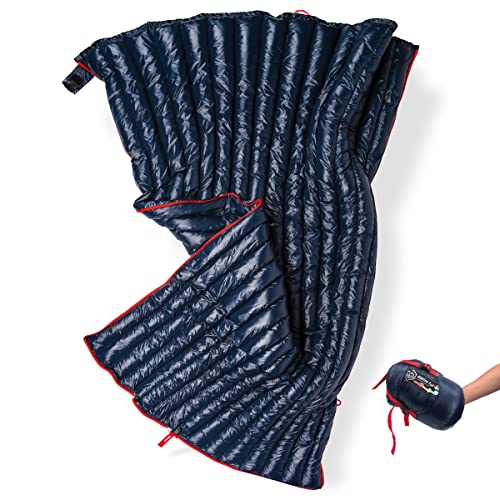
Best for summer to shoulder-season conditioning with extreme packability. The bag weighs about 1.7 lb and compresses to approximately 11″ x 6.7″ for easy stowage. It offers 32–50℉ comfort range and a duck down insulation profile with a rectangular-to-compact design that supports two-person use by unzipping fully. A potential drawback is limited warmth in very cold environments unless layered with other insulation.
Buying Guide
What should you consider when choosing an ultralight sleeping bag for backpacking?
- Insulation type: Down offers warmth-to-weight advantages but can be moisture-sensitive; synthetic fills remain warmer when damp but are heavier.
- Temperature rating: Choose a comfort temperature that targets your typical trekking nights and expected climate; consider layering for flexibility.
- Shape and size: Mummy bags save weight and heat but limit movement; envelope and rectangular shapes offer more room and can be used as a quilt when unzipped.
- Weight and packed size: Prioritize bags that compress small enough for your pack’s volume while meeting your warmth needs.
- Shell and lining: Waterproof or weatherproof shells protect against rain and dew; breathable linings improve comfort and reduce clamminess.
- Durability: Look for reinforced stitching, durable zippers, and quality compression sacks to withstand frequent use.
Frequently Asked Questions
- Are ultralight sleeping bags suitable for winter trips? Most ultralight bags are designed for mild to cool conditions. For winter trips, consider a higher warmth rating or a layered system.
- What is the advantage of down insulation? Down provides excellent warmth-to-weight ratio and compressibility, but it requires dryness and proper care.
- How important is the compression sack? A good compression sack reduces volume and helps maintain bag loft, making a big difference for small packs.
- Should I choose a mummy or envelope bag? Mummy bags save weight and keep heat in; envelope bags offer more room and can double as a quilt when unzipped.
- Can I use a sleeping bag for two people? Some bags are designed to zip with another bag for a double setup, but warmth and fit can be limited for two adults.
- How do I care for down-filled bags? Dry-clean or hand-wash carefully, dry thoroughly with clean tennis balls to restore loft, and store loosely when not in use.