When camping and hiking, UV water purifiers provide fast, chemical-free disinfection for clear water. This guide highlights five dependable options, each suited to different outdoor scenarios. Best for everyday hikers, emergency kits, long trips, and ultralight travelers, these picks balance portability, usability, and field reliability. The following table compares core ideas to help you choose quickly.
| Product | ||
|---|---|---|
| SteriPen Ultra UV Water Purifier | Pen-style UV purifier with OLED display | Outdoorsy travelers who want field-visible confirmation |
| LifeStraw Personal | Mechanical microfiltration straw | Low-maintenance reliability and microplastics filtration |
| Katadyn Steripen Classic 3 | UV-C disinfection | Camping and travel with compact option |
| Sawyer SP129 Squeeze | Manual filtration with inline microfilter | Ultralight packs and quick-purification needs |
| SteriPen Ultralight UV Water Purifier | Ultra-light, water-activated UV purifier | Thru-hiking and travel where weight matters |
SteriPen Ultra UV Water Purifier
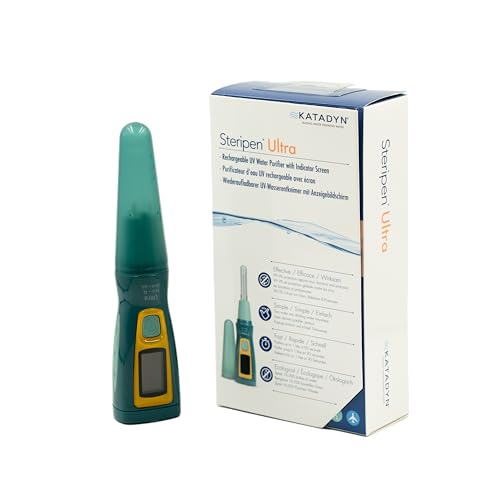
The SteriPen Ultra uses UV-C light to neutralize bacteria, viruses, and protozoa in clear drinking water, delivering rapid treatment with a high-contrast OLED display that confirms each action. This model is USB-rechargeable and designed for off-grid trips, offering up to 8,000 liters of lamp lifetime per charge. Best for campers who need on-demand, field-visible treatment status and the flexibility of USB charging.
Who it’s best for: hikers who value precise treatment confirmation and long-battery endurance in remote settings. Why selected: the OLED readout and clear treatment confirmation reduce guesswork in variable water sources. Caution: performance depends on water clarity; heavily turbid water may require pre-filtering for optimal UV effectiveness.
LifeStraw Personal
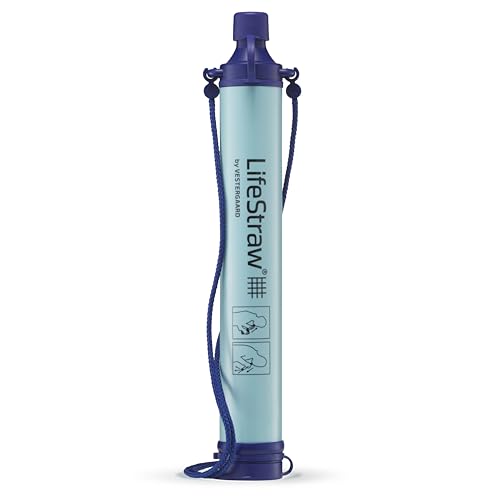
The LifeStraw Personal is a simple, field-tested filtration straw that removes bacteria and parasites with a microfiltration membrane. It also reduces turbidity and plastics down to a micron level, providing reliable water safety for hiking, camping, and emergency kits. Best for: travelers who want a lightweight, hands-free approach without UV or batteries. Why selected: verified lab testing and broad compatibility with various water sources. Caution: does not remove viruses; use in combinations where viral safety is a concern.
Katadyn Steripen Classic 3 UV Water Purifier

The Steripen Classic 3 uses UV-C light to inactivate microorganisms in clear water, with LED indicators that flash to show when treatment is complete. It highlights a balance between compact form and reliable disinfection for camping, travel, and preparedness scenarios. Best for: users who want a traditional Steripen option with clear status indicators. Why selected: robust UV approach with straightforward signaling. Caution: battery life will depend on chemistry and usage; cartridge replacements are not discussed here.
Sawyer SP129 Squeeze Water Filtration System

The Sawyer SP129 combines a hand-pump squeeze filter with two 32-ounce pouches, a straw, and a hydration pack adapter. It removes bacteria, protozoa, sediments, and 100% of microplastics with a 0.1 micron absolute inline filter. Best for: ultralight backpackers who want a compact, mechanical filtration solution. Why selected: high filtration effectiveness in a palm-sized unit. Caution: requires manual pumping; less suitable for very turbid water without pre-filtering.
SteriPen Ultralight UV Water Purifier
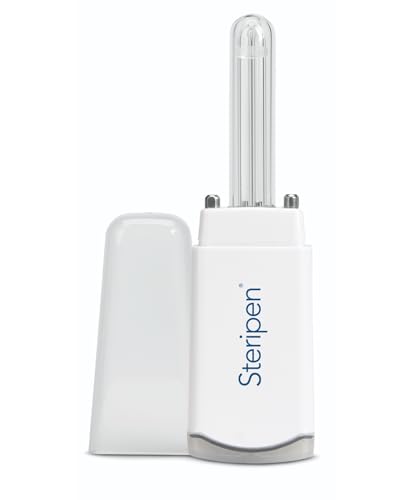
The SteriPen Ultralight is a compact, water-activated UV purifier weighing only 3 oz, designed for fast, on-the-go disinfection. It purifies 1 liter in about 90 seconds and maintains a minimal risk of battery drain since it activates only in water. Best for: solo hikers and travelers prioritizing weight savings. Why selected: extreme lightness and straightforward use. Caution: limited to clear water and requires a dedicated UV lamp for each use cycle.
Buying Guide
What to consider when choosing a UV or filtration system
- Water source quality: UV purifiers require relatively clear water; turbid water benefits from pre-filtration.
- Weight and pack space: ultralight models are ideal for fast trips or long thru-hikes; heavier units offer longer-term reliability.
- Power and battery life: USB-rechargeable units excel off-grid with solar or power banks; non-rechargeable options rely on replaceable batteries.
- Maintenance and replacements: some devices require lamp replacements or filter cartridges; verify availability.
- Ease of use: look for automatic sensors (water-activated) or clear status displays to confirm treatment completion.
UV purifiers vs filtration straws: how to choose
- UV purifiers (SteriPen series, Katadyn): best for quick disinfection of clear water without altering taste; require power and potentially longer treatment times for very turbid sources.
- Filtration straws (LifeStraw, Sawyer): best for simple, passive use and microplastics reduction; no power needed but may not remove viruses in all cases.
Usage scenarios
- Backpacking: ultralight UV pens or compact filtration units minimize weight while ensuring reliable purification.
- Emergency kit: devices with visible status indicators and long battery life help ensure readiness for water-related incidents.
- Family trips: consider options with capacity to serve multiple liters quickly, or multiple devices to reduce wait times.
FAQ
- Do UV purifiers remove viruses?
– Yes, UV-C light inactivates many viruses when water is clear and exposure is sufficient. - Can I use UV purification in muddy water?
– UV works best with clear water; turbidity reduces effectiveness, so pre-filtration is recommended. - Do these devices require batteries or charging?
– Some models are USB-rechargeable; others use replaceable CR123 or NiMH batteries. Check per model. - Is microplastics removal common?
– Some units, like LifeStraw and Sawyer, target microplastics through filtration rather than UV. - How long does treatment take?
– UV treatments typically require seconds to a few minutes depending on device and water quality. - Can I rely on one device for an entire trip?
– It depends on water sources and usage; for long trips, carrying a secondary method or spare batteries is prudent.