Answering the question of what to pack for meatless hiking, camping, or backpacking trips, these vegetarian camping food packs deliver tastier, protein-rich options that rehydrate quickly. They’re ideal for hikers, weekend campers, and emergency meal preppers seeking shelf-stable, meat-free meals. Below is a curated selection, with clear guidance on who each product suits best and why it stands out.
Summary of selected products:
- Backpacker’s Pantry Lasagna | Vegetarian, no prep required
- Peak Refuel Butternut Dal Bhat Freeze-Dried | High-protein, non-GMO
- GOOD TO-GO Weekender 3-Pack | Dehydrated, just add water
- Wild Zora Paleo Meals | Gluten-free, grain-free options
- Nomad Nutrition Cali Breakfast Bowl | Plant-based, high-energy breakfast
Backpacker’s Pantry Lasagna — Vegetarian Comfort On The Trail

Best for: hikers who want a familiar, comforting meat-free option that’s easy to prepare after a long day. This lasagna uses tomatoes, parmesan, and pasta to deliver a hearty, vegetarian meal with minimal steps. It’s well suited for campers who prioritize a taste-of-home experience and simple prep in camp mugs or pots. The main limitation is that it relies on water for rehydration and may take a few minutes longer to reach optimal texture than instant meals.
Why selected: It combines classic flavors with convenience, making it a strong vegetarian go-to for any camping diet. The kit is designed for portability and shelf stability, reducing the need for extra gear or ingredients in the backcountry.
Peak Refuel Butternut Dal Bhat Freeze-Dried Backpacking Meal

Best for: backpackers who want high-protein, non-GMO, plant-forward meals that rehydrate quickly with hot water. This option delivers 23 grams of protein per pouch and uses freeze-drying to lock in texture and nutrients, making it a sturdy energy source on longer trips. A potential limitation is that some users may prefer more familiar Indian dal bhat flavors or heat level adjustments.
Why selected: It balances protein and flavor, supporting endurance activities without meat. The freeze-dried process preserves nutrients, which helps sustain energy through demanding treks or climbs.
GOOD TO-GO Weekender 3-Pack

Best for: campers who want multiple meal choices with a simple “just add water” approach. This pack includes two entrees and one breakfast, making it a versatile option for mixed-day trips. The meals are dehydrated, which can yield a texture closer to fresh when rehydrated properly. A limitation is that taste and texture can vary slightly between flavors, so variety helps manage expectations.
Why selected: The 3-pack structure suits trips requiring variety without stocking separate packs. It’s tailored for on-the-go meals with straightforward preparation and a longer shelf life.
Wild Zora Paleo Meals — Gluten-Free, Grain-Free Camping
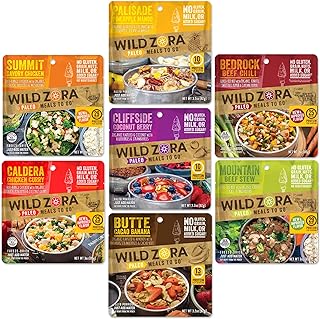
Best for: those seeking gluten-free or grain-free vegetarian options with no added sugar. Wild Zora offers paleo-style meals that align with strict dietary preferences, including breakfast and dinner options. A potential limitation is that some flavors emphasize texture over the most familiar blended sauces, which may differ from standard camping meals.
Why selected: The line emphasizes real-food ingredients and simple preparation, making it appealing to health-conscious hikers who avoid grains and gluten while still needing reliable fuel on the trail.
Nomad Nutrition Cali Breakfast Bowl — Plant-Based Morning Fuel

Best for: outdoor enthusiasts who want a quick, plant-based breakfast that’s high-energy and easy to prepare. This California Breakfast Bowl features yams, kale, quinoa, tofu, chickpeas, and other wholesome ingredients, offering a balanced morning meal for hikes or early starts. Limitation: some users may want more variety in flavor beyond the core California profile.
Why selected: A ready-to-mix, nutrient-dense breakfast supports sustained energy for early-start adventures, making it a standout morning option in vegetarian camping lines.
Buying Guide: Key Purchase Considerations
- Diet compatibility: Look for vegetarian-specific meals with clear ingredient lists, especially if you avoid gluten, dairy, or grains.
- Protein content: Higher protein helps with workout recovery and day-long energy. Compare per-serving protein across packs.
- Ease of preparation: Consider whether you’ll have a stove or just water. “Just add water” options streamline cooking in camp.
- Texture and flavor: Freeze-dried vs. dehydrated affects texture. Freeze-dried often preserves flavor and texture better, but dehydrated meals can be lighter and cheaper.
- Shelf life and portability: Choose items with long shelf life and compact packaging for backpacking or emergency kits.
- Diet variety: A mix of entrees and breakfast items provides more meal options for multi-day trips.
Storage and Prep Tips
- Pack meals in waterproof bags or containers to protect from moisture.
- Carry a lightweight stove or heat source when possible for hot meals and beverages.
- Label meals by day to simplify meal planning on multi-day trips.
Frequently Asked Questions
- What is the best vegetarian meal for long hikes? — Look for high-protein, compact meals with easy rehydration and favorable texture, such as freeze-dried options with clear protein content.
- Are vegetarian camping meals gluten-free? — Some options are gluten-free, like paleo-style or grain-free meals. Always check the ingredient list for gluten-containing ingredients.
- How long do these meals last on the shelf? — Most shelf-stable camping meals offer long shelf life when stored properly in cool, dry conditions.
- Should I choose freeze-dried or dehydrated meals? — Freeze-dried meals typically retain texture and flavor better, while dehydrated meals can be lighter and sometimes cheaper.
- Are these meals suitable for emergency packs? — Yes, many are designed for shelf stability and emergency use, though rotation and proper storage are essential.
- Can I mix and match entrees and breakfasts? — Yes, selecting a combination of entrees and breakfast options helps balance nutrition and variety across days.