If you need reliable warmth on the road, a vented propane heater for an RV can offer steady heat while helping maintain indoor air quality. This guide highlights five options that suit different RV sizes and uses. Best for power outages, off-grid camping, or quiet operation, these picks emphasize direct-vent or vented designs where available. The following products are selected for clarity, safety features, and practicality in RV settings.
Summary Table
- Ashley Hearth DVAG17L: Best for medium RV spaces, 17,000 BTU direct-vent heat.
- Ashley Direct Vent Wall Heater 25,000 BTU: Best for larger RVs, quiet operation, dual-fuel versatility.
- Mr. Heater 30,000 BTU Vent Free Radiant: Best for large spaces where venting is not feasible (vent-free).
- Mr. Heater 9,000 BTU Portable Buddy: Best for portable, small-space use and versatility.
- APUS RV Tankless Water Heater 68,000 BTU: Best for endless hot water on long trips (not a space heater, but essential RV comfort).
Ashley Hearth DVAG17L Direct-Vent Wall Heater
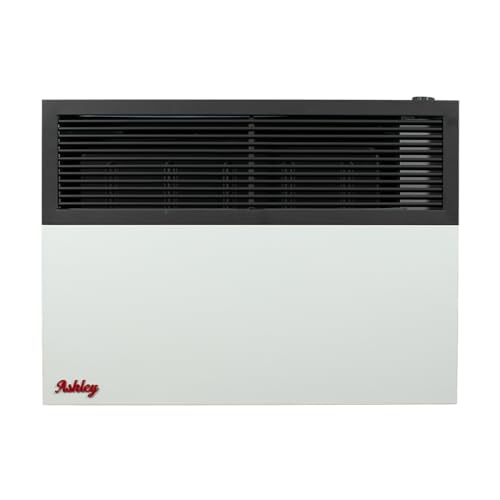
This direct-vent liquid propane wall heater delivers up to 17,000 BTUs, heating spaces up to about 570 square feet. It operates without electricity, making it well-suited for RVs during outages or off-grid trips. The sealed burn system pulls in outdoor air and vents exhaust outdoors, promoting cleaner indoor air quality in compact RV interiors.
Best for: Medium-size RVs, off-grid travel, and users prioritizing electrical independence. Limitations: Lower maximum BTU compared to larger units, so it’s better for moderate spaces.
Ashley Direct Vent Wall Heater Dual Fuel 25,000 BTU

This direct-vent wall heater provides 25,000 BTU and supports dual-fuel operation, which offers flexibility in fuel choices and potential reliability in varying RV setups. The unit is designed for indoor warmth with a focus on safe venting and consistent heat distribution across a larger area than compact units.
Best for: Heavier-use RVs needing more heat and fuel flexibility. Limitations: Requires proper venting alignment for optimal performance in tight spaces.
Mr. Heater 30,000 BTU Vent Free Radiant Propane Heater

This model delivers up to 30,000 BTU and can heat up to about 1,000 square feet in open spaces. It is designed as a vent-free radiant heater, which can be attractive in RVs where venting is challenging. A battery-operated electronic ignition assists startup, improving reliability in camping conditions.
Best for: Large RVs or spaces where installing a vented unit is impractical. Limitations: Vent-free operation means it relies on room air for combustion and may require careful placement to avoid overheating small spaces.
Mr. Heater 9,000 BTU Portable Buddy Radiant Propane Heater
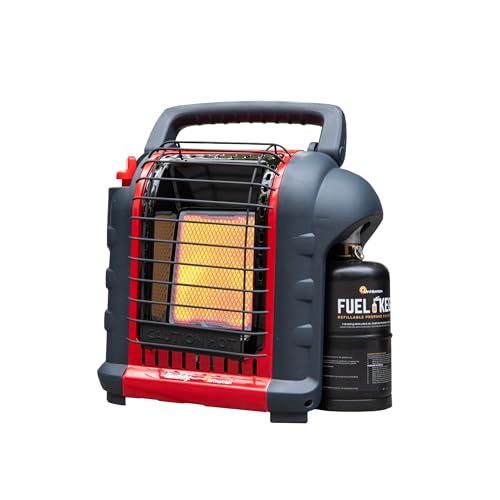
Compact and portable, the Portable Buddy offers 4,000 or 9,000 BTU/hr radiant heat. It is designed for indoor and outdoor use and is a practical option for smaller RVs or supplementary heat in chilly evenings. It runs on propane and does not require electricity for operation.
Best for: Small RVs, travel trailers, or as a mobile heat source in outdoor setups. Limitations: Portable units may have limited runtime on a single propane cylinder and require ventilation for combustion safety.
APUS RV Tankless Water Heater 68,000 BTU

Although primarily a water heater, this unit delivers instant hot water on demand for RV showers, dishes, and hands, with a high output of 68,000 BTU and 12V operation. It is designed for high-altitude performance and quick installation, offering a reliable hot water source when connected to an RV propane system.
Best for: RV families needing reliable, on-demand hot water during long trips. Limitations: Not a space heater; requires proper venting and installation alignment with RV plumbing and electrical systems.
Buying Guide: How to Choose the Right RV Propane Heater
- Ventilation and safety: Direct-vent or vented designs help manage combustion by pulling in outside air and exhausting outdoors. Vent-free models can work in well-ventilated spaces but may affect indoor air quality and safety in small areas.
- Space and heat output: Match BTU ratings to your RV size. Larger rigs benefit from 20,000–30,000 BTU units, while small travel trailers can often rely on 9,000–15,000 BTU options.
- Power reliability: Units that run without electricity are advantageous in outages, but many RV setups also rely on 12V or 24V systems for ignition and fans. Consider dual-fuel or electric-assisted options if available.
- Fuel and installation: Propane is standard for RV heaters. Ensure proper mounting, venting clearance, and compatibility with your RV’s interior layout and gas lines.
- Maintenance and safety features: Look for oxygen depletion sensors, automatic shut-off, and sealed combustion when possible. Regular inspection of vents and gas lines is essential.
- Operational versatility: Dual-fuel or tankless options provide flexibility for varying travel conditions and water heating needs, which can reduce propane consumption and improve comfort.
Frequently Asked Questions
- What is the difference between vented and vent-free heaters for RVs? Vented heaters exhaust combustion byproducts outdoors, improving indoor air quality. Vent-free heaters rely on room air for combustion and require good ventilation to maintain safety and comfort.
- Can I install a direct-vent heater in any RV? Most direct-vent models can be installed in many RVs, but it requires proper vent piping, exterior vent termination, and adherence to manufacturer instructions.
- Is a higher BTU rating always better for an RV? Not necessarily. A higher BTU is beneficial for larger spaces or extreme climates, but excessive heat in a small RV can be uncomfortable or unsafe. Choose BTU based on space size and insulation.
- Do RV heaters require electricity? Some heaters operate without electricity, while others use electric ignition, fans, or controls. Vertical-vent models typically need a minimal electrical setup.
- What maintenance do RV heaters require? Regularly inspect vents and gas lines, clean dust from burners, replace faulty ignitions, and check CO and flame safety features. Follow the manufacturer’s maintenance schedule.
- Can I use a water heater and space heater together? Yes, many RV setups combine space heating and on-demand hot water. Ensure safe gas and electrical configurations and professional installation for complex systems.