Looking for a warm-weather sleeping bag that stays comfortable in mild nights and packs light for backpacking? This guide highlights five top options, explains who each is best for, and reveals practical trade-offs to help you choose. Ideal buyers include ultralight trekkers, weekend campers, and travelers who want easy packing without sacrificing warmth in 55–60℉ conditions.
Below is a quick buying snapshot to compare the five picks. The table focuses on suitability, packed weight, and space considerations to support fast decision-making.
| Product | Best For | Approx. Weight | Packed Size |
|---|---|---|---|
| ECOOPRO Emerald Green | Backpackers wanting a compact, weatherproof option | About 1.7 lb | 11″ x 1.7″ tall |
| ECOOPRO Black | Budget-conscious solo campers | About 1.7 lb | 11″ x 1.7″ tall |
| VENTURE 4TH 3-Season | Versatile seasons and growing comfort | Varies by size | About 86.6″ x 31.5″ |
| Naturehike Lightweight | Ultra-portable travel and backpacking | Very light | Compact when packed |
| TANSTRIDER Ultralight | Hikers seeking dual-use capability | About 1.5 lb | Compact carry size |
ECOOPRO Emerald Green Warm Weather Sleeping Bag
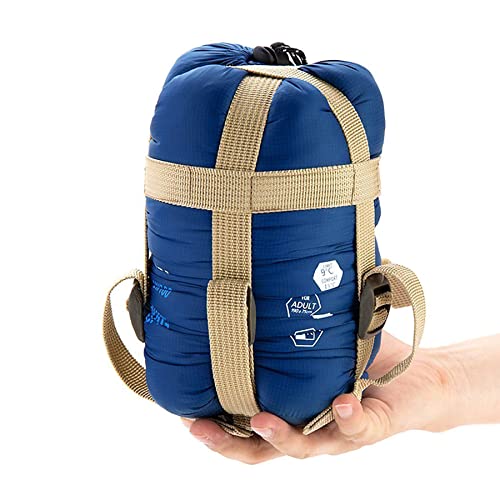
Best for solo campers who want a compact, weatherproof envelope-style bag. The ECOOPRO Emerald Green uses nylon outer fabric for durability and a 100% polyester lining for breathability. It is designed to maintain a comfortable 55–60℉ sleep environment and compresses to a small pack size for easy backpacking. The zipper is described as smooth for easy entry and exit.
Why selected: It balances waterproof construction, a comfortable interior, and a compact form factor that suits travelers who need reliable performance without heavy baggage. Caution: The temperature rating is a general guideline and actual comfort may vary with sleeping pad insulation and outside conditions.
ECOOPRO Emerald Green (Emerald Green Variant) Warm Weather Sleeping Bag

Best for campers who want a slightly longer length and a similar weatherproof profile in a different color option. The Emerald Green variant offers the same waterproof outer shell and a breathable lining, designed to keep you comfortable through 55–60℉ conditions. It remains a compact, lightweight envelope design for backpackers.
Why selected: Variation in length and a consistent design makes it easy to compare with other ECOOPRO offerings. Caution: Confirm your height and shoulder width to ensure the 86″ length fits you well if you prefer more room than the standard 83″ version.
ECOOPRO Black Warm Weather Sleeping Bag

Best for travelers seeking a cost-efficient option without sacrificing essential waterproofing and comfort. This bag uses a nylon outer shell for resilience and a breathable lining, with a temperature range aligned to mild nights. The envelope design makes rolling and packing straightforward.
Why selected: It offers a dependable balance of weather resistance and packability at a friendly price point. Caution: The description notes a slightly different material for insulation (TC Cotton), which may influence feel and warmth perception compared to other polyester options.
VENTURE 4TH 3-Season Backpacking Sleeping Bag

Best for mixed-use seasons and campers who want balance between warmth and breathability. The 3-season design targets cool nights without overheating, and the bag measures 86.6″ x 31.5″, providing room to stretch for most adults under 5’11”. It includes a reliable zipper and a weather-resistant shell suitable for spring, summer, and fall use.
Why selected: Its extra room and season versatility make it a strong all-around pick for varied conditions. Caution: The bag’s warmth remains dependent on pad insulation and layering for colder nights.
Naturehike Lightweight Compact Sleeping Bag

Best for ultralight backpackers and travelers who prioritize packable warmth. Naturehike emphasizes ultra-lightweight construction with compact storage. The bag is roomy for an average adult and uses plush filling to improve sleep comfort. It’s designed for easy packing after a long day on the trail.
Why selected: The combination of light weight, compact packing, and generous room makes it an efficient option for minimalists. Caution: Check the temperature rating and insulation level if you’re trekking in cooler nights or high-altitude environments.
TANSTRIDER Ultralight Warm Weather Sleeping Bag

Best for hikers who value two-in-one versatility. The TANSTRIDER bag is ultralight at around 1.5 pounds and designed for warm weather with a temperature range of roughly 50–70°F. The two-way zipper enables linking two bags for a shared setup or opening into a blanket during warmer nights.
Why selected: Its dual-use design provides flexibility for solo or shared use, reducing overall gear load. Caution: The warmth range is optimized for mild conditions; add extra layering for cooler nights or higher elevations.
Buying Guide: Key Considerations for Warm Weather Backpacking Bags
- Weight and packed size: If you are trekking long distances, a lighter bag that compresses small is essential for reducing fatigue.
- Temperature rating vs. comfort: Ratings are guides. Consider your sleep temperature preferences, the pad you use, and layering options to estimate actual comfort.
- Shell and lining materials: Waterproof or weatherproof shells protect against dew and light rain, while breathable linings improve comfort and reduce overheating.
- Shape and fit: Envelope or rectangular shapes offer different roominess. Look for a bag that fits your height with enough shoulder and hip space without adding bulk.
- Durability and care: Nylon and polyester fabrics typically provide durability and easy care in outdoor environments. Zippers should move smoothly for easy use.
- Versatility: Some bags offer two-in-one designs or the ability to connect with another bag, which can be handy for couples or families.
FAQs
- Q: What is the best bag for ultra-light backpacking in warm weather?
A: An ultralight design with a compact packed size and a comfortable temperature range around 50–70°F is ideal. - Q: How important is the zipper quality in a sleeping bag?
A: Zipper reliability affects ease of use and thermal performance; a smooth, well-sewn zipper reduces snagging and drafts. - Q: Should I choose a two-in-one design or a standard bag?
A: A two-in-one design offers flexibility for shared sleeping or open blanket use but may add some bulk; choose based on your travel style. - Q: Can I use any sleeping bag with a sleeping pad?
A: Yes, but ensure the pad size is compatible with the bag length and that the pad provides adequate insulation for your conditions. - Q: Are waterproof bags necessary for light rain or dew?
A: For unpredictable conditions, a weatherproof shell adds protection; otherwise a rain cover or quick-drying camp setup helps. - Q: How do I maintain a warm-weather bag in humidity?
A: Drying and proper storage when not in use extend bag life; avoid storing it compressed for long periods.