| Product | Key Benefit | Best For |
|---|---|---|
| Waterdrop Gravity Water Filter Straw (Pack of 1) | 5-stage filtration, 1.5 gal gravity bag | Solo campers needing high-capacity filtered water |
| LifeStraw Personal | 99.9999% bacteria & parasites removal | Hikers and travelers requiring ultra-lightweight, compact filter |
| Waterdrop Gravity Water Filter Straw (Pack of 2) | Same filtration, larger supply with two bags | Groups or longer trips |
| GRAYL GeoPress 24 oz Water Purifier Bottle | Purifies water on the go; removes viruses, bacteria, protozoa | Traveling outdoors and quick purification |
| SimPure Gravity Water Filter | High flow, 0.1-micron UF membrane | Families or frequent campers needing versatile setup |
Introduction: This guide helps buyers choose effective water filter purifiers for camping and outdoor use. It focuses on portable filtration systems, gravity-fed options, and personal purifiers that deliver safe drinking water in remote environments. The top picks below are selected for different camping styles—solo adventures, family trips, or emergency kits. Each product section explains who it’s best for and why it was selected, with practical caveats when relevant.
Waterdrop Gravity Water Filter Straw — 1.5 gal Pack
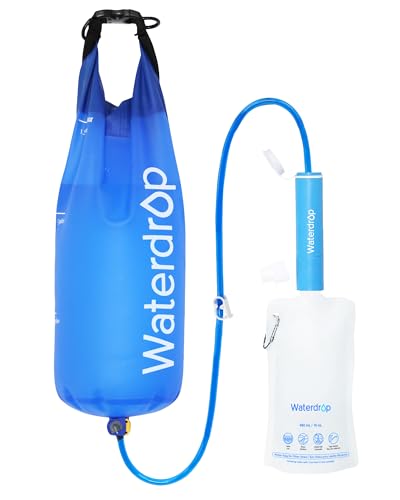
Features include a 5-stage filtration using a 0.1 µm ultrafiltration membrane to reduce chlorine, particulates, sediment, stones, sand, dirt, and odors. The system combines a Waterdrop gravity filter straw with a 1.5-gallon gravity-fed water bag, suitable for all-day outdoor drinking. It can purify up to about 1,400 gallons (5,300 liters) with a maximum flow of 700 ml/min. Best for solo travelers who want a large-capacity bag and reliable filtration in one compact kit. A potential limitation is the need to manage gravity-fed operation and bag swapping in tight spaces.
Who this is best for: Solo hikers or campers who want a robust, high-capacity setup and straightforward gravity filtration. Choose this if you need to purify water from lakes, rivers, or streams without relying on electricity.
LifeStraw Personal — Water Filter
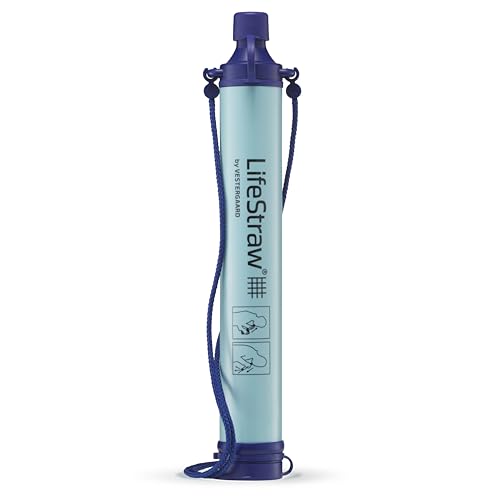
LifeStraw uses a microfiltration membrane that removes 99.999999% of bacteria and 99.999% of parasites, plus microplastics and turbidity down to 0.2 microns. It’s a compact, lightweight option ideal for hikers and travelers who prioritize portability over capacity. While extremely convenient, it’s best for personal use or share-with-others scenarios rather than bulk water purification. The main caveat is limited filtration speed and capacity for group needs.
Who this is best for: Hikers, solo travelers, or emergency kits where minimal weight and size matter. Choose this if you want a trusted, proven personal purifier that fits in a pocket or small pouch.
Waterdrop Gravity Water Filter Straw — Pack of 2

This bundle mirrors the single-pack setup but provides two 1.5-gallon bags, making it better for groups or longer trips. Filtration remains 5-stage with the same 0.1 µm membrane and sustained flow up to 700 ml/min. Best for families or groups who want redundancy and extended water supply at the campsite. Limitation to note is the added weight and space requirement for two bags during transport.
Who this is best for: Families or groups that need more water capacity and a simple gravity-fed filtration system. Choose this if you want flexibility for multiple water sources and extended outings.
GRAYL GeoPress 24 oz Water Purifier Bottle
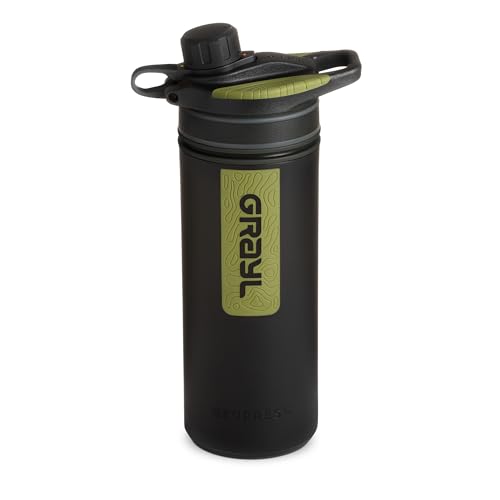
GRAYL GeoPress purifies water on the go by removing pathogens—including viruses, bacteria, and protozoa—while also filtering particulates and adsorbing VOCs, PFAS, chemicals, pesticides, heavy metals, flavors, and odors. It’s ideal for quick purification during travel, hiking, or camping when you want a ready-to-drink bottle. A potential limitation is that its capacity is smaller (24 oz), so it requires more frequent refills on longer trips.
Who this is best for: Travelers and hikers who want immediate purification in a bottle format and fast, one-handed operation. Choose this if you value portability and convenience over higher-volume filtration.
SimPure Gravity Water Filter System
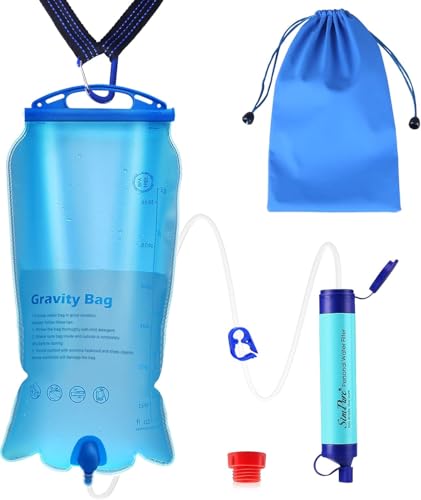
SimPure offers a gravity-fed purifier with a 3L bag, featuring a 0.1-micron ultrafiltration membrane, a 5-micron coconut shell GAC filter, and a 0.2-micron PP fiber filter. It’s designed for versatile use—personal filtering, extension-tube drinking, or attachment to a water bottle. It provides a high flow rate and significant lifecycle, making it suitable for families or frequent campers. A caveat is that setup can be slower compared with some bottle-based purifiers.
Who this is best for: Campers or families who want a flexible, gravity-based system with solid filtration and the option to adapt to different drinking setups. Choose this if you regularly camp with others and need reliable throughput.
Buying Guide
What should you consider when choosing a camping water purifier?
- Filtration method and pore size: 0.1 micron UF membranes remove most bacteria, parasites, and microplastics; lower pore sizes provide broader protection but may reduce flow.
- Capacity and weight: Solo trips benefit from light, compact filters; group trips need larger bags or multiple devices.
- Source water flexibility: Some purifiers accept raw water from rivers and lakes; others are bottle-based and require pre-filtering.
- Flow rate and practicality: Higher flow eases use during meals or multiple users; gravity systems trade speed for hands-free operation.
- Durability and maintenance: Look for replaceable cartridges or membranes, easy cleaning, and portable pumping or pumping backup options.
- Portability vs. reliability: Personal purifiers are light but offer limited capacity; gravity systems are heavier but versatile for campsites.
How to compare products quickly
- Best for solo use: Compact, lightweight purifiers like LifeStraw excel in portability.
- Best for groups: Gravity systems with larger bags or multiple packs reduce refill frequency.
- Best for travel: Bottle purifiers offer instant purification with simple operation in tourist areas.
- Best value: Bundles offering two bags or multiple components can lower per-liter cost and increase reliability.
Maintenance and care tips
- Clean channels and replace membranes or carbon filters as recommended by manufacturers.
- Rinse after use and store in a dry, cool place to prevent mold or residue buildup.
- Label replacement dates to avoid filtration failures during critical trips.
FAQ
- What is the safest water purifier for camping?
Most reliable are devices with microfiltration membranes around 0.1 microns or ultrafiltration, capable of removing bacteria, parasites, and microplastics. Always confirm pathogen removal claims with independent testing where possible. - Do gravity-fed purifiers require electricity?
No. Gravity-fed systems operate without electricity, relying on gravity to move water through filters. They are ideal for remote camping but require bags or jugs for storage. - Can these purifiers remove viruses?
Some purifiers claim virus removal (e.g., GRAYL), but many portable filters target bacteria and parasites. Verify virus removal capabilities and consider bottle purifiers if virus protection is crucial. - How much water can a purifier process in a day?
Throughput depends on the device; gravity systems can process large volumes with multiple bags, while personal purifiers focus on daily drinking needs. Always check the specified flow rate and capacity. - Is purified water safe to drink immediately?
Yes, after filtration, water should be safe to drink, but follow device-specific guidelines and ensure storage containers are clean to avoid recontamination. - Do I need to pre-filter muddy water?
For some purifiers, yes. Heavily sediment-laden water may clog membranes; using a pre-filter or allowing particulates to settle can help prolong filter life.