Answering the question most explorers ask: which water resistant down sleeping bag best protects you in damp conditions? This guide highlights top options for backpackers, hikers, and campers who want reliable warmth with weather resilience. Each product targets a different sleeper type—from ultralight solo hikers to families needing extra space. The selection below focuses on water resistance, down fill, and practical design features to help you stay dry and warm.
| Product | Best For |
|---|---|
| Kelty Cosmic 20 Down Mummy | Backcountry trekkers who want sustainability and compact warmth |
| Naturehike Ultralight Down Sleeping Bag | Lightweight travelers who prioritize packing efficiency |
| ZOOOBELIVES 10 Degree Down Bag | Cold-weather car campers and weekend hunters |
| QEZER Down Mummy Sleeping Bag | Budget-conscious hikers needing solid warmth |
| VENTURE 4TH 3-Season XXL | Tall campers needing extra space and reliable weather resistance |
Kelty Cosmic 20 Down Mummy Sleeping Bag

The Kelty Cosmic 20 is a longstanding backpacking staple featuring 550-fill power down and recycled shell fabrics with PFAS-free DWR. This bag emphasizes compressibility, comfort, and sustainability, aligning with travelers who prioritize eco-friendly gear. It’s best for campers who want a balance of warmth, weight, and responsible materials in dry-to-moderate wet conditions.
Best for: Backpackers who value traceable down, durable water repellence, and a trusted brand lineage. Why selected: the bag pairs classic Kelty comfort with recycled fabrics and responsibly sourced down. Caution: PFAS-free DWR may wear with heavy rain exposure over time; consider a dry sack or bivy for prolonged wet outings.
VENTURE 4TH 3-Season XXL

The VENTURE 4TH 3-Season XXL is designed for tall campers with an extra-long 90″ length and 39″ width. It’s water resistant and breathable, suitable for spring through fall use. This model shines for those who want a roomy fit without compromising on weather protection or packability.
Best for: Tall adults or couples who need space to move. Why selected: large dimensions accommodate longer torsos and limbs, while the 3-season warmth range fits a wide climate range. Caution: XXL sizing can add weight, so assess your pack capacity for longer excursions.
ZOOOBELIVES 10 Degree Down Sleeping Bag
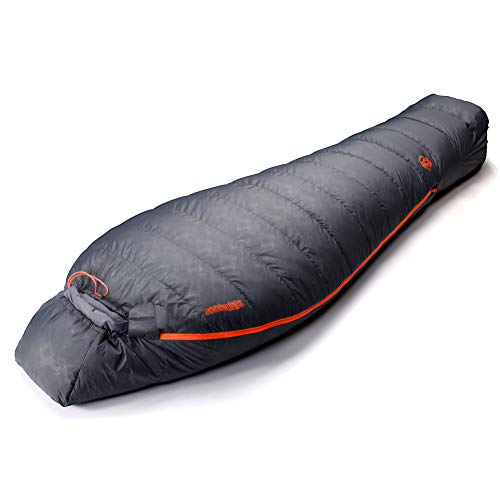
The ZOOOBELIVES bag uses 550+ fill power down with a contoured hood and draft collar to seal in warmth. The 10-degree comfort rating makes it a strong choice for shoulder-season outings and nights when damp air persists. The design emphasizes a roomy fit and a robust outer shell for field durability.
Best for: Car campers and weekend hunters needing reliable warmth in cool-to-cold damp environments. Why selected: strong insulation and a hooded draft design help minimize heat loss in light rain or humidity. Caution: Higher fill power requires careful packing to avoid overstuffing your pack.
QEZER Down Mummy Sleeping Bag

The QEZER bag features 600 fill power down, with a compact mummy shape aimed at warmth-to-weight efficiency. It’s marketed for 54°F comfort through 28°F extreme, offering a budget-friendly option for budget-minded hikers who still want solid insulation and a water-repellent shell. The shell design is intended to stay dry in light moisture exposure.
Best for: Budget-focused hikers seeking reliable warmth for mild-to-cool conditions. Why selected: competitive down fill and compact profile. Caution: Performance under persistent heavy rain isn’t guaranteed; pair with a weather shell for wet nights.
Naturehike Ultralight Down Sleeping Bag

The Naturehike bag blends 650 fill power down with a hybrid envelope-mummy design for versatile warmth. It’s lightweight at about 2 pounds and offers a compact packed size, making it ideal for hikers who prioritize lightness and quick-drying fabrics. The fabric is designed to stay dry and comfortable in variable conditions.
Best for: Backpackers who need strong warmth without extra weight. Why selected: high fill power in a lightweight shell improves warmth-to-weight ratio. Caution: Ultralight packs can be less forgiving in very wet climates; consider extra weather protection in downpours.
Buying Guide: Key Considerations for Water Resistant Down Sleeping Bags
- Water resistance vs. water repellence: Look for a DWR-coated shell and moisture management features, such as tightly woven fabrics and bar-tack reinforcement in key stress points.
- Down fill power and type: Higher fill power (e.g., 650+) offers better warmth-to-weight. Ensure the down is responsibly sourced when possible.
- Shell material and durability: Durable nylon or polyester shells with a water-repellent finish extend performance in light rain and dew.
- Temperature rating vs. comfort: Consider your typical camping climate. A bag with a broader comfort range reduces the risk of overheating or cold nights.
- Size and fit: Mummy bags save space, but ensure the hood, draft collar, and foot box accommodate your sleeper profile.
- Packability and weight: For backpacking, balance warmth with packed size to keep the pack manageable.
- Ethics and sustainability: Look for responsibly sourced down and recycled fabrics if eco-friendly choices matter.
FAQ
- What does “water resistant” mean for sleeping bags? The outer shell resists light moisture and dew but is not fully waterproof; you should still avoid prolonged exposure to heavy rain.
- Is 650 fill power better than 550 fill power? Yes, higher fill power generally delivers more warmth with less weight, but it can be pricier.
- Should I choose a mummy or rectangular bag for damp nights? Mummy bags minimize heat loss and suit most damp nights, while rectangular models offer more room for movement.
- Are all down sleeping bags suitable for wet weather? Some are treated to resist moisture; in heavy rain, pairing with a rain shell and a dry bag improves performance.
- How important is environmentally friendly down? Traceability (like RDS) helps verify responsible sourcing and reduces ecological impact.
- What is a good weight for a water resistant bag? For casual camping, 2–3 pounds is a common range; ultralight models can be under 2 pounds.