When choosing RV water tanks, the priority is reliable, food‑grade storage that’s easy to install and maintain. This guide highlights five well‑suited options for motorhomes, campers, and travel rigs. Each pick targets different needs: compact storage, large capacity, gray water handling, or waste water containment. Use this to match your travel style, water usage, and space constraints. The table below offers quick comparisons to help you decide which tank to consider first.
- Best for: Overall versatility and a balanced capacity set.
- Better for: Small to mid‑sized RVs needing fresh or gray water storage.
- Choose this if: You want a pair of sizes already matched for flexibility.
- Avoid this if: You need only one fixed size and minimal fittings.
| Product | |||
|---|---|---|---|
| classAcustoms RV Fresh & Gray Water Tank Combo Pack | 30 & 40 Gallon | Balanced dual‑tank setup | Non‑pressurized; vented system required |
| KORVOS 30 Gallon RV Fresh Water Tank | 30 Gallon | Potable water on the go | BPA‑free, multiple fittings |
| Ameri‑Kart 57 Gallon RV Fresh Water Tank | 57 Gallon | Long trips with ample water | IAPMO standards, USA made |
| Ameri‑Kart 36 Gallon RV Fresh Water Tank | 36 Gallon | Compact large‑capacity option | USA made, multiple installation options |
| Ameri‑Kart 29 Gallon Black/Gray Water Tank | 29 Gallon | Waste water handling in compact spaces | End discharge design, DIY install |
classAcustoms RV Water Tank Combo Pack

This combo includes a 30‑gallon and a 40‑gallon tank, suitable for RV fresh or gray water storage. Manufactured with NSF approved materials, these tanks are designed for drinking water safety as long as proper venting is observed. Best for owners who want two storage options in one purchase. Limitations include a non‑pressurized design and the need to vent air during use to prevent pressure buildup. The fittings are built‑in: two 1.5″ female NPT and two 0.5″ female NPT. Choose this if you want flexibility between two tank sizes without buying separate systems.
Best for: RVers needing both a mid‑size and a larger tank for mixed usage.
Why selected: The dual‑tank approach gives conversion flexibility for different trips and rack layouts.
Caution: Do not connect a pressurized garden hose directly to the tank; allow gravity or vented flow for filling.
Reference features: NSF approved materials, fresh & drinking water safe, vented operation, built‑in fittings, and guidance to avoid sealed connections. This kit is designed to be installed with gravity feeding and proper venting to prevent damage from pressure buildup.
KORVOS 30 Gallon RV Fresh Water Tank
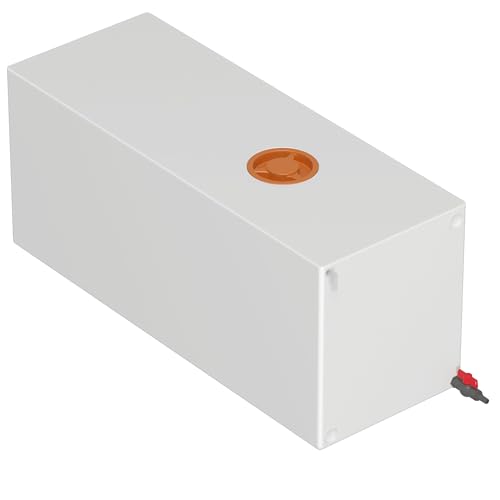
The KORVOS 30‑gallon tank is BPA‑free and intended for potable water in RVs, campers, and tiny houses. It includes multiple built‑in fittings (1/2″ NPT connections and vent options) to support flexible installation. This is a reliable choice for travelers seeking a straightforward, durable water storage solution with enough capacity for several days of use. Better for moderate travel distances where space allows a single, versatile tank. A potential limitation is the need for careful setup to avoid leaks around fittings during rough roads.
Best for: RVers who want safe, drinkable water with established installation options.
Why selected: BPA‑free and designed for potable use, with ample fittings for flexible mounting.
Caution: Ensure fittings are tightened appropriately and not overtightened to avoid thread damage.
Ameri‑Kart 57 Gallon RV Fresh Water Tank

The Ameri‑Kart 57‑gallon tank is a large freshwater reserve, built in the USA from BPA‑free materials. It’s designed for potable water and offers built‑in fittings that support multiple installation configurations. The tank construction emphasizes durability with weather‑ and impact‑resistant plastics and compliance with IAPMO standards. Best for long trips where water supply is a primary concern. A consideration is that a larger tank requires more installation space and careful routing of hoses and vents.
Best for: Long voyages or full‑timers needing substantial water storage.
Why selected: High capacity with durable materials and multiple fitting options.
Caution: Ensure proper venting and tank placement to prevent structural stress on mounting points.
Ameri‑Kart 36 Gallon RV Fresh Water Tank

This 36‑gallon tank from Ameri‑Kart offers a compact but roomy freshwater option. Made in the USA from BPA‑free materials, it includes two 1.5″ balloon style NPT fittings and two 0.5″ NPT fittings for flexible installation. The tank is designed to be sanitary and leak‑proof, meeting IAPMO standards. Best for moderate storage needs in smaller RV setups or when space is limited. A limitation could be the mid‑range capacity for very long trips without refill options nearby.
Best for: RVs with tight spaces needing a reliable freshwater reservoir.
Why selected: Good balance of capacity and install flexibility with U.S. manufacturing.
Caution: Plan hose routing to avoid kinks and ensure venting is not blocked.
Ameri‑Kart 20 Gallon RV Fresh Water Tank

The 20‑gallon option is ideal for smaller RVs or minimalists who prioritize footprint over capacity. It is made in the USA from BPA‑free materials, with two 1.5″ and two 0.5″ fittings to accommodate various install layouts. The tank is designed to be sanitary and leak‑proof and complies with IAPMO standards. Best for short trips or as a supplementary tank. Limitation: its smaller size may require more frequent refills on longer journeys.
Best for: Small RVs or as a supplementary tank in larger rigs.
Why selected: Compact, durable, and easy to install with standard fittings.
Caution: Monitor water levels to avoid frequent refills during travel.
Buying Guide
What size is right for my motorhome?
Consider your typical trip length, water usage, and whether you prefer fresh water only or require gray water or black water storage. For extended trips, higher capacities like 36–57 gallons reduce refill frequency. For compact spaces or two‑vehicle trips, 20–30 gallon tanks fit many layouts.
What materials should I prioritize?
Look for BPA‑free, NSF or IAPMO listed plastics or composites. These materials resist staining, are easier to clean, and safer for potable water. Durable, UV‑resistant tanks perform better in exposed RV storage areas.
Fittings and installation considerations
Check built‑in fittings and their sizes (commonly 1.5″ and 0.5″ NPT in RV tanks). Ensure your mounting space accommodates the tank’s dimensions and that there is a clear venting plan. Avoid sealed connections with pressurized hoses to prevent tank damage.
Gray water and black water considerations
Separate storage is common for gray water (sink, shower) and black water (toilet waste). If you rely on gray water tanks for disposal, ensure odor control and venting are adequate to maintain hygiene and prevent clogs.
Do I need venting or gravity filling?
Most RV tanks require venting and gravity filling rather than direct pressurized connections. This prevents pressure buildup, which can cause leaks or tank damage. Verify your fill method aligns with the tank’s design instructions.
Maintenance and safety notes
Regularly inspect fittings for leaks and tighten only to the manufacturer’s recommended torque. Clean and sanitize potable water tanks periodically according to local guidance to maintain water quality. Use approved additives or treatments that are compatible with your tank material.
FAQ
- What size RV water tank should I choose for a week-long trip?
A 36–57 gallon tank is typically a good balance for longer trips, reducing refill needs without occupying excessive space. - Are all RV water tanks BPA‑free?
Most reputable options, including Ameri‑Kart and KORVOS tanks, advertise BPA‑free materials for potable use. - Do I need to vent RV water tanks?
Yes. Venting prevents air pressure buildup and ensures safe operation during filling and use. - Can I use a garden hose to fill these tanks?
Avoid direct pressurized connections to prevent tank damage. Use gravity fills or approved fill methods per the tank’s instructions. - Are these tanks rated for gray water, black water, or potable water?
Some tanks are designated for potable fresh water, while others are designed for grey or black water waste. Check the product description for the intended use before purchase.