Looking for a reliable single-person tent built for cold and variable weather? This guide highlights five top options that are well-suited for winter-style camping, solo backpacking, or fast solo trips. Each pick targets a specific buyer: hardcore winter campers, ultralight hikers, casual car campers, and mountaineering enthusiasts. Below you’ll find clear comparisons, who each tent is best for, and practical trade-offs to help you choose.
| Product | Best For | Key Benefit | Weight (approx.) |
|---|---|---|---|
| Underwood Aggregator 4-Season 1-Person Tent | Hardcore winter campers | Snow skirt and durable build for extreme weather | ~4.4 lb |
| Clostnature 1 Person Tent | Ultralight hikers | Low weight with solid waterproofing | ~4 lb |
| Night Cat Upgraded 1 Person Tent | Easy setup in variable weather | Clip-based setup for quick pitch | ~2.2–2.4 kg (approx. 4.8–5.3 lb) |
| camppal 1 Person Tent (4 Season) | Windy or rainy conditions | Windproof and rainproof with substantial seam work | ~3.75 lb |
| ALPS Mountaineering Lynx 1-Person | Reliable all-around shelter | Freestanding design with durable poles | ~4 lb 1 oz |
Underwood Aggregator 4-Season 1-Person Tent
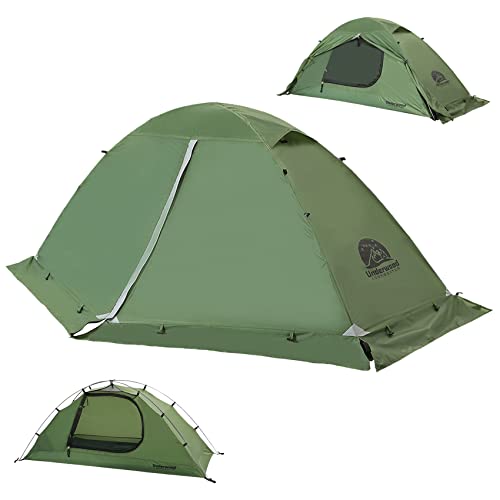
This four-season tent targets winter camping needs with a snow skirt to keep snow at bay and a rollable design for versatile setups when snow is minimal. It’s designed for a single occupant with a center height around 35.8 inches and a compact packed size, balancing space and portability. Best for solo winter expeditions or shoulder-season trips where wind resistance and snow management matter.
Best for: Solo winter campers who want a sturdy, all-season shelter that can adapt to heavy snowfall or bare winter landscapes. It’s a strong choice if you prioritize a two-layer door for ventilation alongside a rugged build.
Caution: While the tent emphasizes extreme weather reliability, verify current weather-grade claims and ensure compatible poles and stakes for your venue.
Clostnature 1 Person Tent

Clostnature offers a lightweight, weatherproof solo tent with factory-sealed seams and a PU 5000 coating. It weighs about 4 pounds and packs down compactly, making it a practical choice for backcountry hikers who still expect solid protection from wind and precipitation in all seasons.
Best for: Long-distance hikers or backpackers who prioritize low weight without sacrificing weatherproof performance. Choose this if you want a roomy interior without a heavy footprint.
Caution: The longer interior dimensions are appreciated by taller sleepers, but ensure the vestibule space aligns with your gear storage needs when you load it up for multi-day trips.
Night Cat Upgraded 1 Person Tent

Premium Night Cat design emphasizes a faster clip setup and a spacious interior suitable for one adult, with a compact footprint and a vestibule for shoe storage. The weatherproof fabric and reinforced poles help sustain stability in a breeze or light rain. This is a practical all-season option for solo campers who want quick setup and reliable protection.
Best for: Solo campers who value rapid setup and a comfortable interior, especially when arriving after a long day outdoors. Use this if you prioritize easy assembly over extra winter hardware features.
Caution: The tent is designed for general use in inclement weather, but it is not specifically engineered for heavy winter storms without additional gear or sheltering arrangements.
camppal 1 Person Tent (4 Season)

This camppal model emphasizes windproof and rainproof performance with 3500–4000 mm water resistance, a lightweight frame, and a longer interior to accommodate taller sleepers. It’s designed for single-person use with straightforward setup using a single ridge pole, making it reliable for unpredictable weather and wind exposure.
Best for: Campers who face windy, wet conditions and want a lightweight yet protective shelter. Choose this when you need dependable weather resistance without a bulky footprint.
Caution: Despite strong waterproofing, verify seam integrity and pole connections after transport to maintain longevity in rough conditions.
ALPS Mountaineering Lynx 1-Person Tent

ALPS Mountaineering Lynx is a lightweight, freestanding tent featuring durable aluminum poles and ample ventilation. The weatherproof design includes a rainfly and a sturdy floor to protect against rain and wind. It’s a balanced choice for campers who want reliable all-season performance with quick setup and easy packing for solo trips.
Best for: Solo hikers and backpackers who want a dependable, easy-to-pitch shelter with good ventilation and proven stability in varied weather.
Caution: While versatile, this model may have a slightly more extended setup time compared to clip-based designs in certain conditions.
Buying Guide
How many seasons do you need?
Four-season tents are built for winter conditions, but not all offer the same snow management or venting. If winter camping is core, prioritize models with snow skirts, robust poles, and weatherproof seams.
Weight and packability matter
For solo trips, ultralight designs reduce fatigue but may compromise durability. Balance weight with weather protection and interior space to fit your gear and body size.
Weather resistance and ventilation
Look for high waterproof ratings (hundreds to thousands of mm), sealed seams, and a double-layer door for ventilation without admitting drafts. In windy camps, freestanding designs offer better stability.
Setup complexity
Clip-based or two-pole designs typically offer faster setup than pole-sleeve configurations. If you hike after dark or in poor visibility, consider a freestanding model with clear vestibule access.
Shape and interior space
Consider ceiling height, floor dimensions, and vestibule space for gear. Tall sleepers benefit from longer interior dimensions; wider bases improve stability in gusts.
Durability and materials
Look for ripstop fabrics, reliable aluminum poles, and reinforced corners. All-season tents should maintain performance in snow, wind, and rain without excessive bulk.
Budget and warranty considerations
Seasonal tents can vary widely in price. Decide how much you’re willing to invest in weight, durability, and weather resistance, and check warranty policies where available.
What’s a practical pick for a winter mission?
For true winter use, choose a tent with a snow skirt, robust double-layer doors, and predictable stability in storms. If you expect rapid setup after a storm or rain, a clip-based design can be more convenient.
FAQ
What is the best tent for winter camping?
A four-season tent with a snow skirt, sealed seams, and stable poles is typically best for winter camping.
Are freestanding tents better for windy conditions?
Yes, freestanding designs are generally more stable and easier to reposition in gusts.
How important is weight for a winter solo tent?
Weight matters for long treks, but prioritize weather protection and durability if you plan winter expeditions.
Should I choose a tent with a vestibule?
Yes. A vestibule provides a dry area for boots and gear and reduces inside moisture from snow and condensation.
Can these tents be used for summer camping?
Most can, but consider ventilation and heat management for hot-weather trips.
Do taller campers need longer tents?
Longer interiors offer more sleeping space and storage, especially for taller individuals.